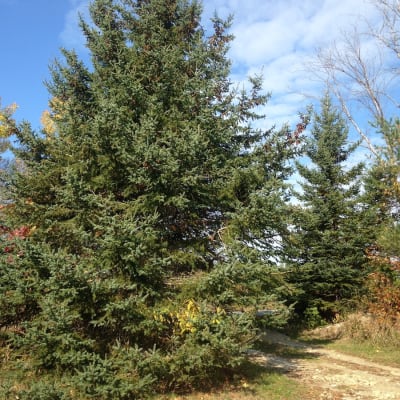
Picea pungens var. glauca 30-60'. Very popular specimen tree with frosty blue needles. Excellent for privacy screens, as it is fast growing after 3'. Native to western U.S. Z2.
read more
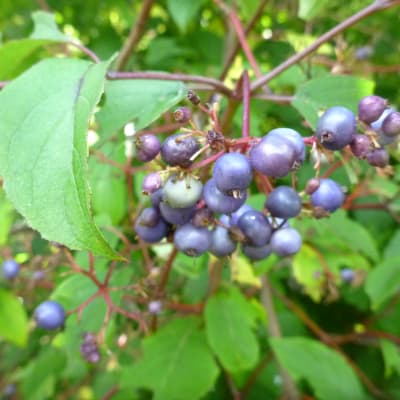
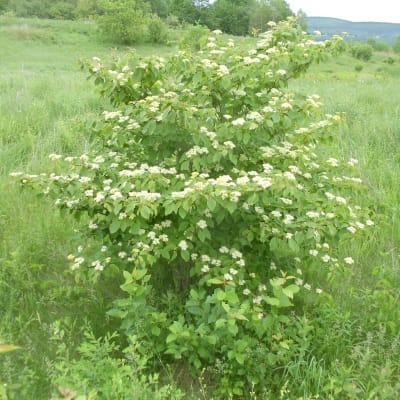
Cornus amomum 8-12' x same. Large rounded long-limbed shrub. Effective for erosion control, wildlife or pollinator habitat. Maroon bark visible in winter. Suckers and spreads. Native to eastern U.S. Z4.
read more
Mentha pulegium Open pollinated. Perennial. Hardy aromatic ground cover; plants creep with only the lavender flower stalks rising above the ground.
read more
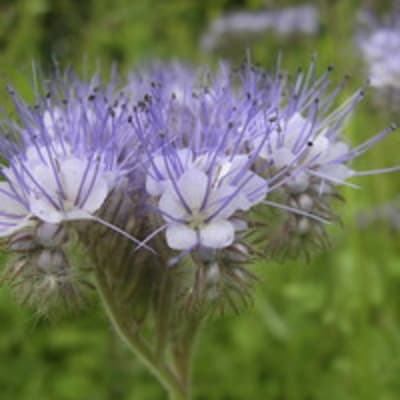
Phacelia tanacetifolia Open pollinated. Small frizzy lavender-blue flowers. Long bloom period. Excellent for pollinators and beneficial insects. Bushy 18-30" plants.
read more
Salvia azurea 3-5' tall. North American native with delicate spires of sky-blue tubular double-lipped flowers and sweetly scented foliage. Incredible in mixed bouquets. Blooms from August to October. Z4.
read more
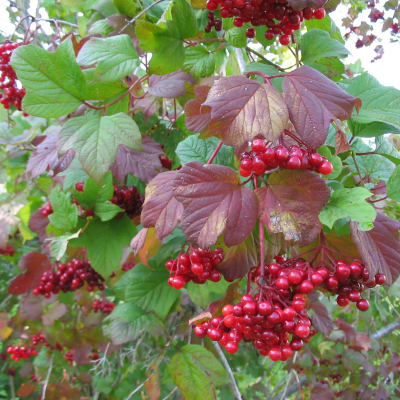
Viburnum opulus var. americanum 8–12' × same. Also known as Crampbark. Medicinal multi-stemmed native shrub. Add to the biological diversity of your garden. No two seedlings are exactly alike. Z2.
read more
Arnica chamissonis 8-12" tall. Low spreading groundcover with bright yellow daisy-like flowers used externally in oils and salves to treat bruises, sprains, inflammation. Z3.
read more
Symphyotrichum novae-angliae 4-6' tall. North American native. Blooms range from blue-purple to lavender-pink with yellow eyes. Attractive to pollinators. Z3.
read more
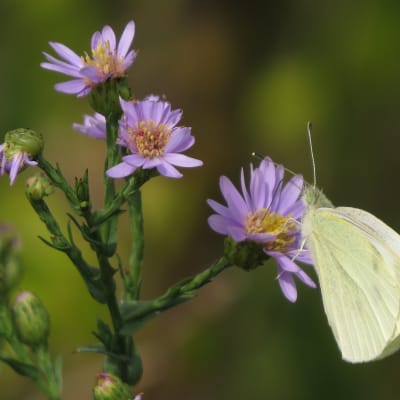
Symphyotrichum laeve 3-4' tall. North American native has Loose clusters of lavender-blue blossoms with yellow eyes. Smooth blue-green foliage. Attractive to pollinators in late season. Z3.
read more
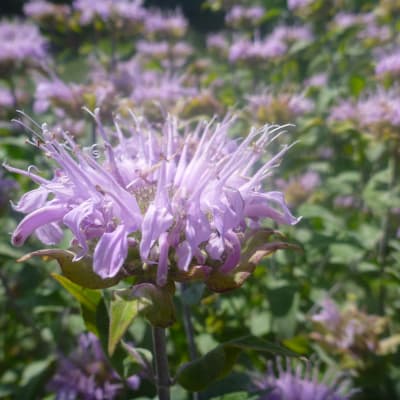
Monarda fistulosa 3-4' tall. Our native wildflower species with aromatic lavender blossoms. This is the variety most commonly used for medicinal purposes. Z3.
read more
Aquilegia canadensis 12-24" tall. This eastern North American native features delicate red-spurred sepals with yellow petaled skirts. Blooms late May to early June. Irresistible to hummingbirds! Z3.
read more
Echinacea purpurea 3-5' tall. Spiny seedheads are a beautiful coppery yellow-brown, surrounded by a single row of reflexed lavender-purple petals. Tinctured roots boost the immune system. Z3.
read more
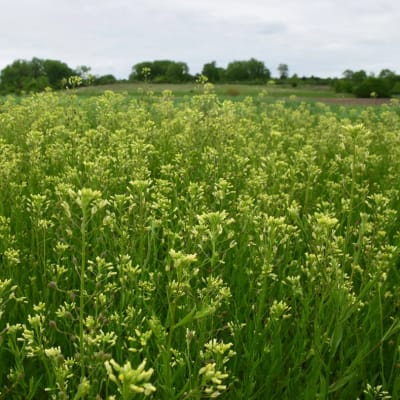
Camelina sativa Annual brassica. Widely adaptable and versatile winter-hardy cover crop and oilseed plant; tolerates poor conditions. Excellent nutrient scavenger. Sow when you would for winter rye.
read more
Iris versicolor 30-36" tall. Northeastern native species with gorgeous blue-violet flowers with bold purple veining and a white and lemon-yellow blaze. Early. Z2.
read more
Liatris pycnostachya 40-48" tall. . North American native with tall brilliant purple wands loved by butterflies in midsummer. Great cutflowers. Z3.
read more
Juglans cinerea 40-60' x same. Very large impressive shade tree with broad open crown. Produces oblong edible nuts. Nice cabinet wood. Native. Z3.
read more
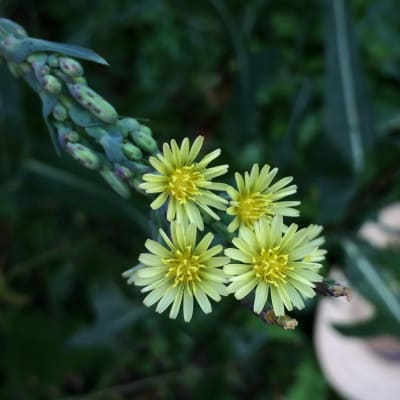
Lactuca serriola (60 days) Open pollinated. Readily grows as a spring-sown annual.Young leaves are edible, and the plant can be milked for its medicinal latex.
read more
Pycnanthemum virginianum 24-36" tall. Makes a tasty minty tea traditionally used to settle indigestion. Spreads readily. Densely flowered, attractive to pollinators. Native. Z4.
read more
Acorus americanus 24-36" tall. Water-loving bog plant with broad sword-like foliage that smells sweetly of citrus and vanilla when crushed. Roots traditionally used as an aromatic bitter for digestive upsets. Z3.
read more
Prunus tomentosa 6-10' x same. Broad dense highly ornamental fruiting shrub blooms early. Excellent hedge and edible landscape plant. Plant two or more for pollination. Z2.
read more
Myrica pensylvanica 5-10' x same. A common sight along Maine’s rocky shores. Fragrant glossy deep green leaves and small waxy berries. Fixes nitrogen and feeds wildlife. Z2.
read more
Arctostaphylos uva-ursi 6-10". Low-growing evergreen groundcover. Can sprawl to 15'. Pinkish-white flowers in spring. Small red berries persist into winter. Self-pollinating. Z2.
read more
Crataegus phaenopyrum 15-20' x 12-20'. Shrubby thorny low-branching dense tree. Used for centuries as a circulatory and cardiovascular tonic herb. Z4.
read more
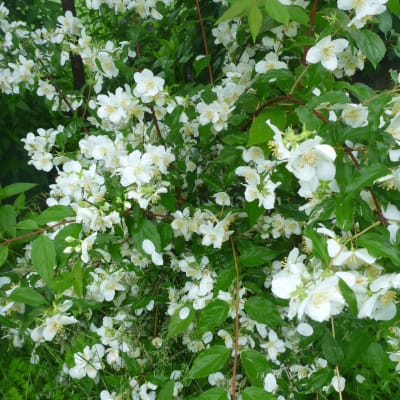
Philadelphus lewisii 4-5' x 3-4' Medium-sized loosely arching ornamental blooming shrub. A “blizzard” of sweet citrusy fragrance from white blossoms in late spring. Z3.
read more
Gaultheria procumbens 6-10". Aromatic evergreen native groundcover. Glossy dark green leaves. Bell-shaped white flowers in June. Vivid red berries. Self-pollinating. Z3.
read more
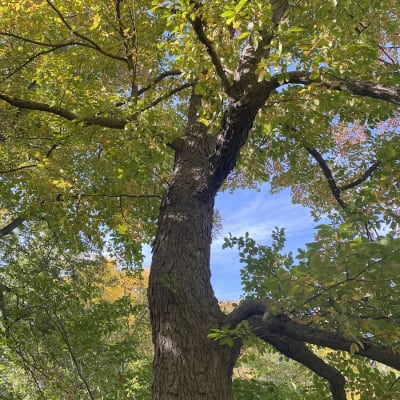
Acer saccharum 50-100'. Largest of our native maples. Colorful fall foliage. Valued for shade, syrup and lumber. Boil sap to make real maple syrup. Z3.
read more
Nyssa sylvatica 40-85' x 20-30'. Medium-sized deciduous tree produces fruits that feed migrating birds. Vibrant fall colors. Can live up to 650 years! Z4.
read more
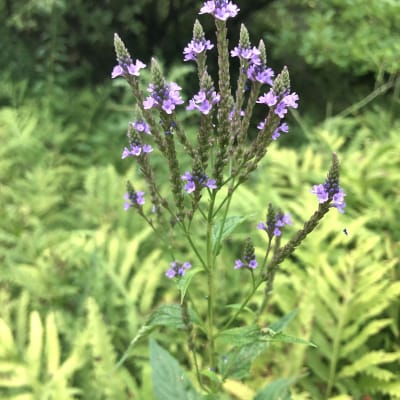
Verbena hastata 5-7' tall. Elegant tall branching spikes of vibrant blue-purple flowers. Attractive to pollinators. Used as a nervous-system tonic and mild sedative. Full sun. Native to North America. Z3.
read more
Verbena stricta 12-48" tall. North American native. Attractive to pollinators, most notably the Buckeye butterfly. Birds will devour the seeds! Blooms June through August. Z3.
read more
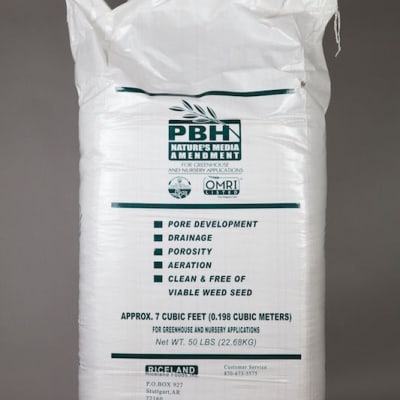
A great alternative to perlite in your growing medium—carbonaceous, renewable and less dusty to mix. Also used as a mulch for container plants. Parboiled to eliminate viable weed seeds.
read more
Abies balsamea 45-75'. Native conifers with fragrant boughs used for wreaths. The best Christmas tree! Semi-shade tolerant. Good hedge tree. Z3.
read more
Picea glauca 60-80'. Native conifer, one of the best trees for wind blocks and privacy screens. Adaptable and tolerant to wind, drought and cold. Z2.
read more
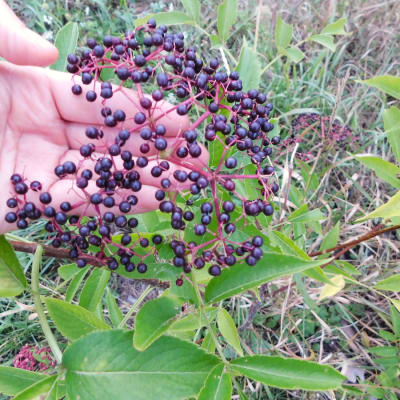
Sambucus canadensis 6-12' x same. Fedco intro. Sourced from a wide swath of plants growing in Aroostook County. Robust elderberry with consistently high fruit yields. Z3.
read more
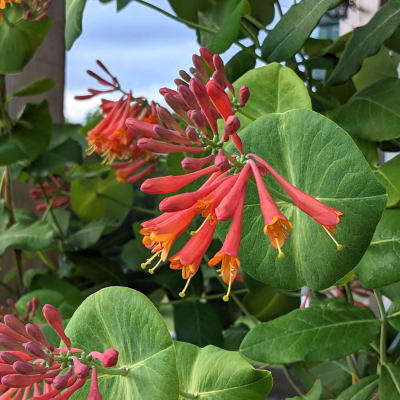
Lonicera × brownii 10-20'. Tall climbing honeysuckle. Non-invasive! Attractive to pollinators, especially hummingbirds. Species is native to North America. Z3.
read more
Vaccinium corymbosum Early-Mid. Excellent post-harvest color retention makes them popular for markets. Sweet and sweetly scently firm berries. Z5.
read more
Cornus alternifolia 20' x 30-35'. Small tree or large multi-stemmed shrub with tiers of horizontal branches and fragrant white 2-3" flower clusters. Z3.
read more
Lupinus mutabilis (130 days, longer to seed) Open pollinated. “Lost” crop of the Incas. Wild-looking 3' lupine native to the high Andes. Attractive, many-colored flowers. Protein-rich seeds.
read more
Crambe maritima Open pollinated. Perennial hardy to Zone 5, native to seashores of British Isles. Blanch the tender shoots for spring and winter.
read more
Carya laciniosa 60-80' × 40-60'. Tall nut tree of bottomlands and floodplains. Resembles shagbark hickory but with less shaggy bark. Native. Z5.
read more