Sambucus nigra 6-8' x 2-5'. Bred for heavy fruit clusters and excellent juicing quality. High in immune-boosting anthocyanins. Upright habit, vigorous. Z4/5.
read more
This dynamic cover crop duo has become a favorite of growers who value its vigorous growth and soil-building prowess, along with the assurance that it will winterkill up North.
read more
Brassica juncea or Sinapis alba Annual broadleaf. Great cover crop to retain nutrients, suppress weeds and improve water penetration. Breaks down into compounds toxic to nematodes and soil-borne pathogens.
read more
Lagenaria siceraria (120 days) Open pollinated. Large gourd with bulbous base and narrow neck. Fruit can grow 14" tall and 12" in diameter. Start indoors.
read more
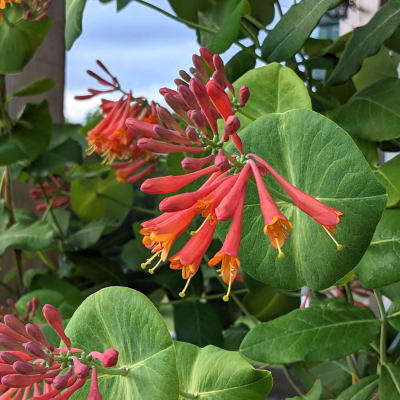
Lonicera × brownii 10-20'. Tall climbing honeysuckle. Non-invasive! Attractive to pollinators, especially hummingbirds. Species is native to North America. Z3.
read more
Iris versicolor 30-36" tall. Northeastern native species with gorgeous blue-violet flowers with bold purple veining and a white and lemon-yellow blaze. Early. Z2.
read more
Eutrochium purpureum 4-6' tall. Massive vanilla-scented pinkish-purple domed flowers in midsummer. Often found in average to dry woodland edges. Z3.
read more
Brassica oleracea (60 days) Open pollinated. This kale is a Maine celebrity! Overwinters for many and self sows with gusto. Tender all summer.
read more
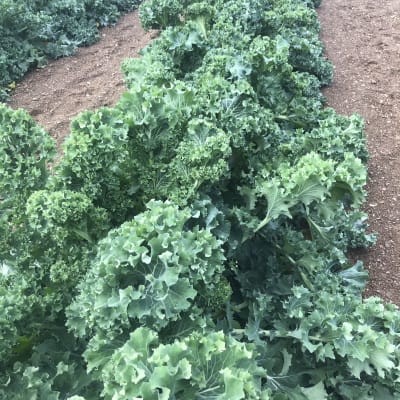
Brassica oleracea (acephala group) (65 days) F-1 hybrid. Crinkly and very curly, of the Dutch borecole type. Upright uniform productive plants hold well in the field in all weather conditions and continue to grow.
read more
Brassica oleracea (acephala group) (65 days) F-1 hybrid. Crinkly and very curly, of the Dutch borecole type. Upright uniform productive plants hold well in the field in all weather conditions and continue to grow.
read more
Brassica spp. (60-65 days) Try the whole gamut of kales. Shades of green, some tinged red, or with red or white veins, in a variety of leaf shapes: frilly, smooth and savoyed.
read more
Actinidia arguta Fruitless male kiwi suitable for pollinating arguta females Anna, Geneva 3 and Michigan State. Will not pollinate kolomiktas. Z4.
read more
Actinidia arguta Female. Sweet and luscious kiwi, a combination of sweet and sour. Larger than other varieties. Requires Meader male for pollination. Z4.
read more
Brassica oleracea (gongylodes group) (58 days) Open pollinated. Central European heirloom. Green kohlrabi with short tops and medium stems. White interior is crisp, tender, pungent.
read more
Laser-cut birchwood markers. Each tag is engraved with a crop’s name and a charming line drawing to represent it. Set of 20 stakes covers the most common annual garden crops. Made in WA.
read more
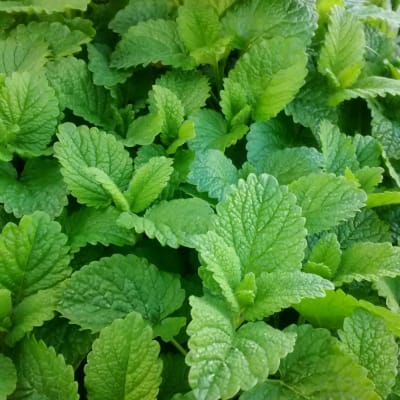
Melissa officinalis 18-24" tall. Lemony leaves are delicious in teas, salads, with fruit or dried for sachets. Attractive to pollinators. Z3/4.
read more
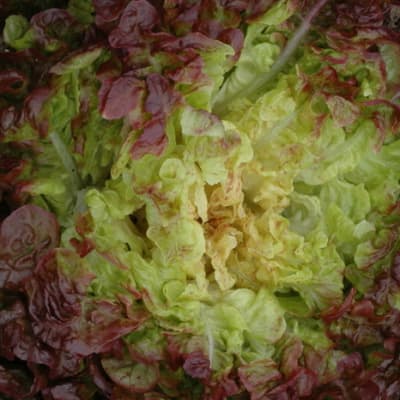
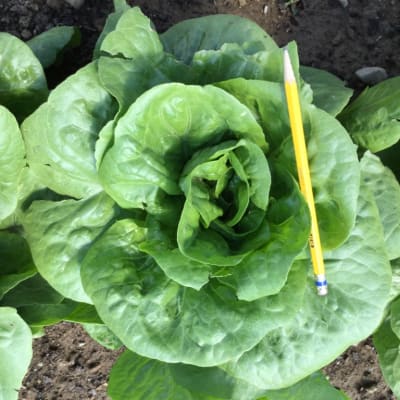
Lactuca sativa (53 days) Open pollinated. Grand Rapids-type with slow early growth and pale-green leaves. Excellent heat tolerance and bolt resistance. Recommended for summer production.
read more
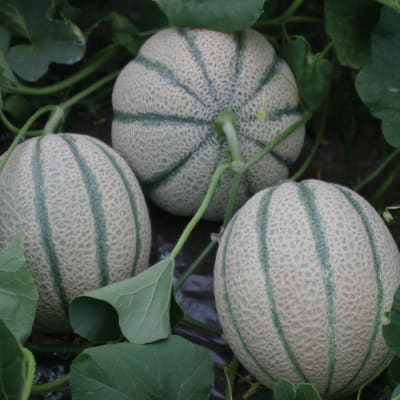
Cucumis melo (80 days) Open pollinated. Round-to-oblong 2–3 lb fruit that embodies the texture, flavor and redolence of the finest pear. High yielding, even in melon-challenging seasons.
read more
Cucumis melo (75 days) F-1 hybrid. Exceptionally early, reliable, and even-ripening 2½–3½ lb melons with high sugar content and rich muskmelon flavor. Favored by organic market farmers and serious melon fans.
read more
Cucumis melo (70 days) F-1 hybrid. This unusual sweet and sour melon is tart, punchy and refreshing. Unlike most specialty melons, these are easy to grow and can reliably mature in Maine.
read more
Cucumis melo (85 days) F-1 hybrid. Complex flavor, sweet white flesh. Round 2-4 lb fruit with sparse net. Green skin turns orangey-yellow when ripe. Harvest at full slip.
read more
Cucumis melo (80 days) F-1 hybrid. A reliable Tuscan-type melon that produces 2–3 lb round melons with sweet aromatic orange flesh and a satisfying smooth texture. Plants show outstanding vigor.
read more
With 9 spray patterns and a clever ergonomic thumb-control valve for precisely dialing in the flow rate, this wand offers great durability, versatility and ease of use.
read more
Castanea mollissima 40-60' x same. Genetically unique seedlings usually produce good-to-excellent nuts in 5-7 years. Resistant to chestnut blight. Z4.
read more
Carya laciniosa 60-80' × 40-60'. Tall nut tree of bottomlands and floodplains. Resembles shagbark hickory but with less shaggy bark. Native. Z5.
read more
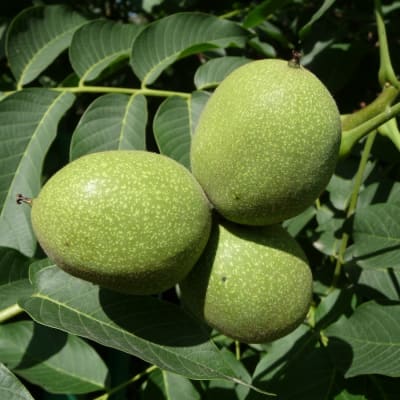
Juglans nigra 70-90'. Spectacular shade tree with open rounded crown. Nuts have sweet earthy rich flavor. May begin to bear in 5-10 years. Z4.
read more
Amsonia tabernaemontana var. salicifolia 24–36" tall. Fine grassy willow-like foliage. Clusters of powder-blue florets in early summer. Best planted en masse. Z3.
read more