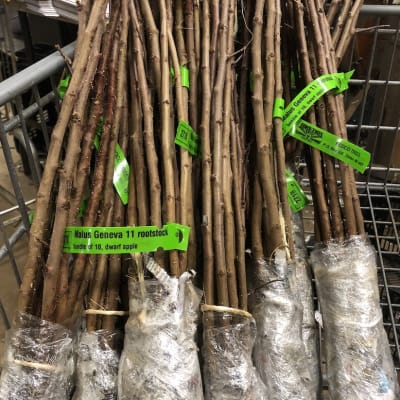
Malus spp. Also called Bud 118 or B118. Semi-dwarf apple rootstock, similar in size to M111 (about 85-90% of standard). Space trees 20-25' apart. Z3.
read more
Malus spp. This is a twig for grafting. Late fall. European heirloom. Crisp fine-grained flesh with bold citrusy pineapple flavor. Good for dessert, cooking and pressing. Stores well. Z4.
read more
Malus spp. This is a twig for grafting. Winter. European heirloom. Popular for its unusual shape and prized for its flavor and storage ability. Blooms midseason. Z4.
read more
Malus spp. This is a twig for grafting. Fall-winter. Medium to very large apple has a good balance of sweet and tart with hints of pear. All-purpose. Keeps until midwinter. Z4.
read more
Malus spp. Fall. Juicy, distinctly tart, full-flavored fresh eating apple. Very popular at our Common Ground Country Fair taste tests! Keeps about a month. Z4.
read more
Malus spp. This is a twig for grafting. Fall. Juicy, distinctly tart, full-flavored fresh eating apple. Very popular at our Common Ground Country Fair taste tests! Keeps about a month. Z4.
read more
Malus spp. This is a twig for grafting. Fall. Highly flavored dessert apple popular in the Victorian era for its complex spicy honey-nut flavor. Compact rugged tree. Z4.
read more
Malus spp. This is a twig for grafting. Fall. Very large blocky fruit resembles bell peppers. Probably originated on North Haven Island, ME, before 1850. Great fresh or cooked. Z4.
read more
Malus spp. This is a twig for grafting. Fall. 18th c. Cornish heirloom. High-quality dessert and cooking apple. Known for its aromatic flavor and perfumey clove-like scent. Z4.
read more
Malus spp. Late summer. From Russia, well before 1800. Known in New England as one of the very best pie apples! Extremely hardy. Scab resistant. Z3.
read more
Malus spp. This is a twig for grafting. Late summer. From Russia, well before 1800. Known in New England as one of the very best pie apples! Extremely hardy. Scab resistant. Z3.
read more
Malus spp. Winter. A popular all-purpose commercial apple in New England. Delicious fresh eating, cooks well in pies and sauce and keeps until late spring. Z4.
read more
Malus spp. This is a twig for grafting. Late summer-early fall. Old Scottish apple, popular in Victorian times and doing well in the Northeast. Good for baking and fresh eating. Z4.
read more
Malus spp. This is a twig for grafting. Fall-winter. Originated in Turkey. Unusual fruit shape. Sweet-tart with high flavor. A good tree for smaller spaces. Z4.
read more
Malus spp. This is a twig for grafting. Fall. Large, distinctive “cathead” shape. Mild, moderately crisp, moderately tart and subtle. All-purpose; excellent for cooking, especially sauce. Z4.
read more
Malus spp. Be the proud keeper of a sister tree to one of many rare varieties planted at the Maine Heritage Orchard. $30 from the sale supports the project.
read more
Malus spp. This is a twig for grafting. Fall. Supremely flavorful dessert apple. Large brilliant deep red fruit. Crisp, sweet, tart and juicy. Best eaten fresh, but also considered a good cooking apple. Good keeper. Z4.
read more
Malus spp. This is a twig for grafting. Winter. Medium-large, rich, spicy and juicy. A great late-winter dessert apple; good cooking. Stores until summer. Scab resistant. Z4.
read more
Malus spp. This is a twig for grafting. Late summer. Medium-sized spice-flavored apple. One of the best for pies. Very good fresh eating, too. Probably blooms midseason. Z4.
read more
Malus spp. This is a twig for grafting. Late summer. 20x30' White single flowers on large somewhat weeping tree. Red-blushed roundish 1½-2" fruit good for cooking and cider ripens late summer. Z4.
read more
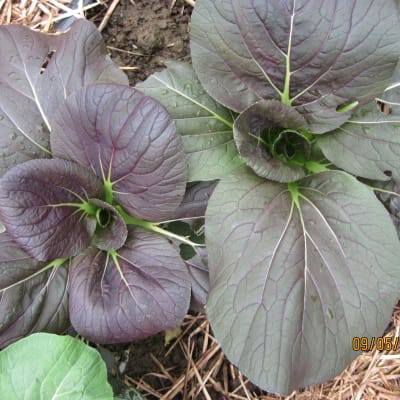
Brassica rapa (45 days) Open pollinated. Slow-growing 8-10" deep purple rounded leaves stand beautifully, and are mild and delectable all the way through the season.
read more
Brassica rapa (chinensis group) (48 days) F-1 hybrid. Most vigorous and darkest-hued strain. Purple leaves with green veins and stems. 8-10" heads at maturity.
read more
Perilla frutescens var. crispa (85 days) Open pollinated. Japanese heirloom. Ornamental and edible purplish-red anise-scented leaves. Used in sushi, sauces, garnishes, pickles, stir-fries, and to color umeboshi plums red.
read more
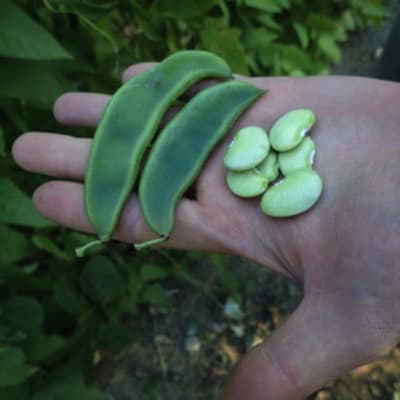
Phaseolus lunatus (106 days) Open pollinated. 8" pods, dependably produces at least four large creamy white seeds per pod. Vines can grow 10'.
read more
Phaseolus lunatus (95 days) Open pollinated. A pole lima that will actually ripen in the Northeast! Vigorous vines produce large pods of tender, sweet and delightfully beany limas.
read more
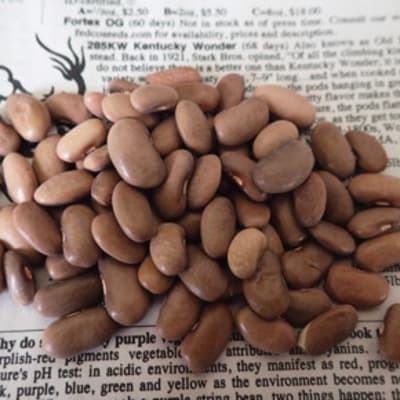
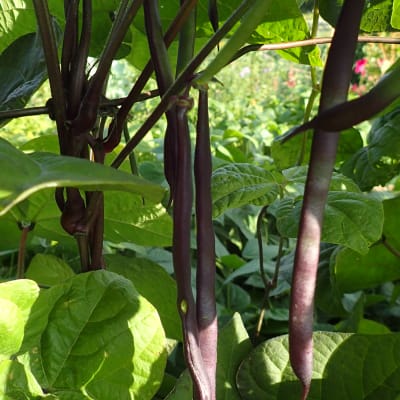
Phaseolus vulgaris (68 days) Open pollinated. Heirloom bears 7-9" pods with nutty flavor. Very productive. Excellent for freezing. Brown seed.
read more