Showing 14
of 14 items
Highbush Blueberries
-
ships in springnew!Aurora Highbush BlueberryPlantsSorry, ordering for this item is closed for the season
-
ships in springBluejay Highbush BlueberryPlantsSorry, ordering for this item is closed for the season
-
ships in springBlueray Highbush BlueberryPlantsSorry, ordering for this item is closed for the season
-
ships in springBonus Highbush BlueberryPlantsSorry, ordering for this item is closed for the season
-
ships in springnew!Cara’s Choice Highbush BlueberryPlantsSorry, ordering for this item is closed for the season
-
ships in springChandler Highbush BlueberryPlantsSorry, ordering for this item is closed for the season
-
ships in springnew!Chanticleer Highbush BlueberryPlantsSorry, ordering for this item is closed for the season
-
ships in springDuke Highbush BlueberryPlantsSorry, ordering for this item is closed for the season
-
ships in springElizabeth Highbush BlueberryPlantsSorry, ordering for this item is closed for the season
-
ships in springJersey Highbush BlueberryPlantsSorry, ordering for this item is closed for the season
-
ships in springLegacy Highbush BlueberryPlantsSorry, ordering for this item is closed for the season
-
ships in springnew!Little Giant Highbush BlueberryPlantsSorry, ordering for this item is closed for the season
-
ships in springPatriot Highbush BlueberryPlantsSorry, ordering for this item is closed for the season
-
ships in springTalisman Highbush BlueberryPlantsSorry, ordering for this item is closed for the season
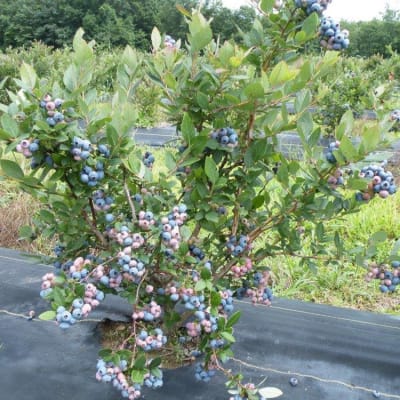


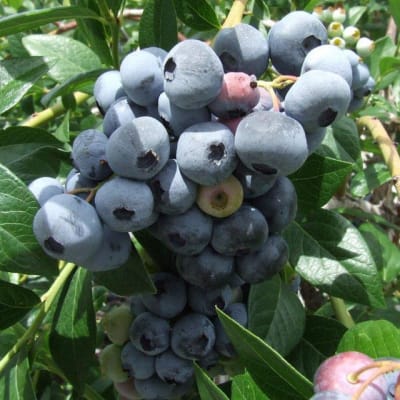
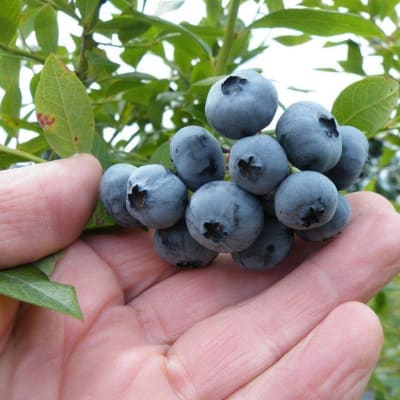
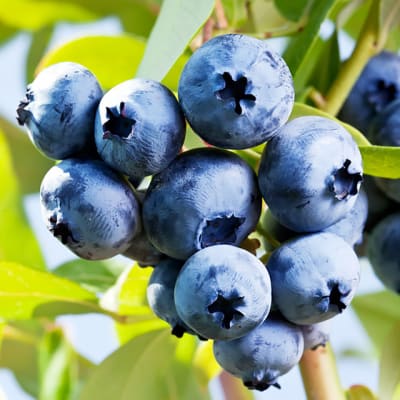
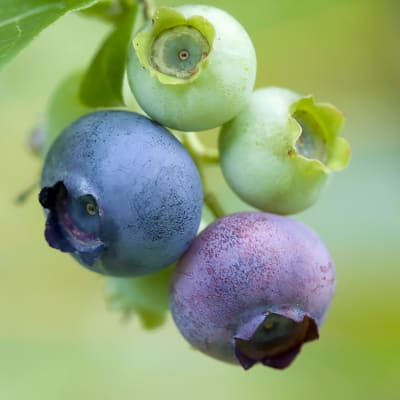
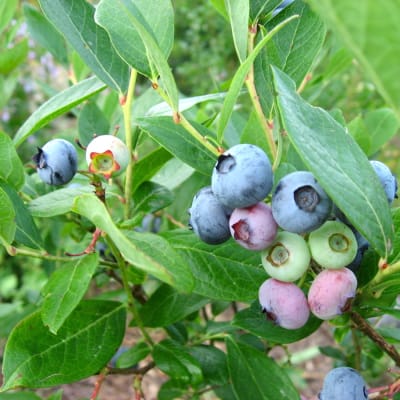


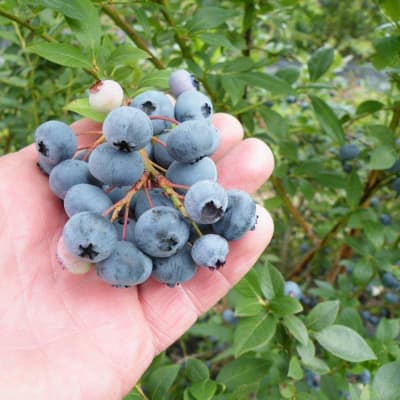
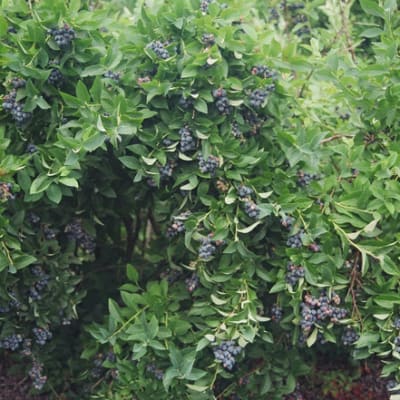

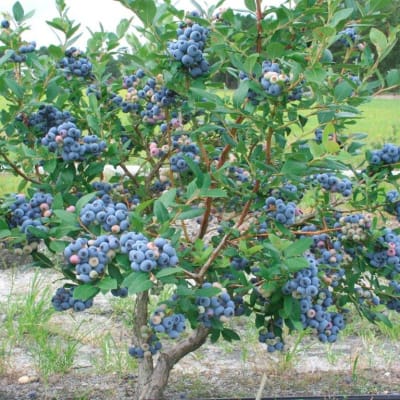
Highbush Blueberries Vaccinium corymbosum
Many of Maine’s lakes are lined with massive stands of highbush blueberries, native to North America. Grazing the shore requires only time and a suitable vessel; we prefer kayak or canoe. The beautiful vigorous shrubs are extremely easy to grow at home, productive and reliable. By planting several varieties, you can harvest berries from early July through most of August. First crops come 3–5 years after planting. Productive for at least 20 or 30 years. Berries may turn blue before they reach their peak flavor. Leave them on the bush until they are fully ripe. Check a few before you pick them all!
Growing Highbush Blueberries
- Soil: Light acid soil with plenty of organic matter. Keep them watered.
- Sun: Full.
- Pollination: Two varieties required, three or more recommended.
- Spacing: Plant 6' apart (or closer for smaller lowbush-highbush types) in rows 8–10' apart.
- Planting: Mulch yearly with at least 3–6" pine needles, wood chips, hay, cardboard, even old slab wood. They don’t like grass competition.
- Pruning: Fruit is produced on one-year shoots off healthy canes. Older canes become twiggy and less productive. After three years, head back long sprigs of new growth for a bushier plant. Each bush should be allowed to grow 6–10 canes varying in age from 1–6 years old. Thereafter, remove dead canes and those over 6 years old to encourage new replacement canes. Bushes with regular moderate pruning produce the most berries.