


-
ships in fallnew!

-
ships in fall

-
ships in fall
-
ships in fall
-
ships in fall
-
ships in fall
-
ships in fall
-
ships in fall
-
ships in fallnew!
-
ships in fallnew!
-
ships in fall
-
ships in fall
-
ships in fall
-
ships in fallnew!
-
ships in fall
-
ships in fall
-
ships in fall
-
ships in fallnew!
-
ships in fall
-
ships in fall
-
ships in fall
-
ships in fall
-
ships in fall
-
ships in fallnew!
-
ships in fallnew!


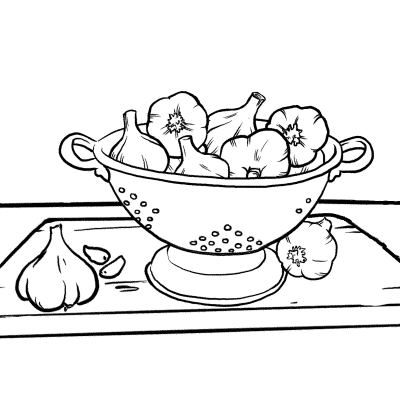

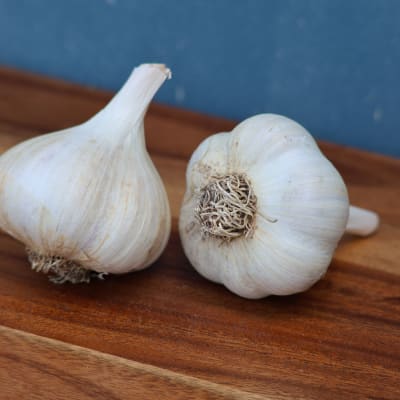


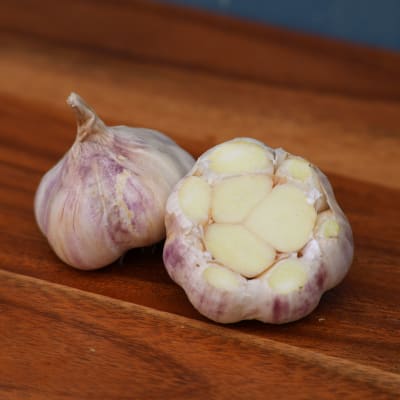



Growing Garlic: Give it Space, Feed it and Weed it!
In late fall, 3–4 weeks before the ground freezes, prepare a nitrogen-rich well-groomed seedbed. Garlic grows best in well-drained soils that are high in organic matter with a neutral pH. Consider getting a soil test to help you apply nutrients optimally. To make things easy for yourself, prepare beds with our 3G Greener Garlic Grower. Also consider our 5G Grow Great Garlic Kit.
Break up the bulb, leaving clove skins intact, and plant cloves 6–8" apart, pointed side up, with the base about 3" deep. Mulch with about 4" of straw, leaves or hay.
In spring, move the mulch to free any struggling plants, then replace it to keep moisture even and to help suppress weeds. Consider supplementing with a quick-release nitrogen source like blood meal or feather meal. Check under the mulch occasionally to make sure soil stays moist throughout the season; well-drained or sandy soils may need watering, while heavier clay soils might need none at all.
In midsummer, the curly scapes of hardnecks will begin to unfurl and stand up. We suggest cutting them back before they straighten up (unless you want to work with bulbils) to ensure bigger bulbs.
In mid-late summer, allow the soil to dry somewhat about a week before harvest. Check bulb growth when the bottom leaves are yellow and 5–6 upper leaves are still green, late July to early August for us in central Maine. Harvest bulbs before cloves begin to separate. Use a garden fork to loosen the soil and lift gently.
Tie and hang to cure in a well-ventilated place, protected from sun and rain, until dry. Do not field-cure.
To store, trim roots, trim tops to within 1" of the bulb, rub off loose skins and any dried dirt, and store in a cool dry place.
Replant your best garlic in late fall for next year’s crop. The cycle continues!
Seed Garlic
The bulb size, the skin color, the flavor, and the size and number of cloves are partly determined by genetics and ecotype, and partly by soil, climate, moisture and seasonal growing conditions. We base our variety descriptions on industry standards, as well as reports from farmers, our garlic suppliers and our own experiences. Your harvests may differ slightly. Garlic is a dynamic crop that, while maintaining some varietal consistency, evolves every generation.
Our size standard for a seed garlic bulb is 2" diameter, but we reserve the right to ship smaller garlic in difficult crop years. Fedco requires every lot of garlic to test negative for garlic bloat nematode, white rot and botrytis neck and bulb rot.