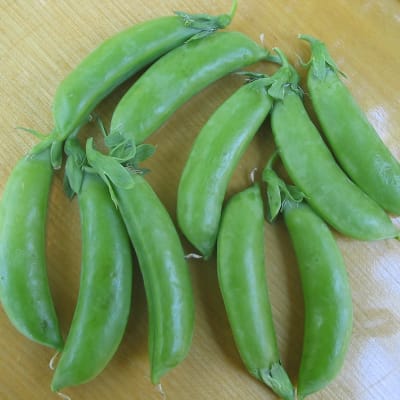
Pisum sativum (58 days) Open pollinated. Earliest snap pea, on 2' vines. Use to start the season, and allow extra space between rows if you do not stake.
read more
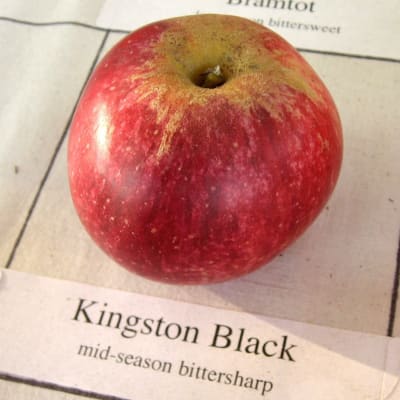
Malus spp. This is a twig for grafting. Fall. Medium-sized bittersharp cider apple. Full-bodied vintage cider with nice blend of acid, tannins and sugar. Decent fresh-eating. Z4.
read more
Malus spp. Fall. Bittersharp cider apple high in tannin and acidity. Makes a full-bodied vintage cider with nice blend of acid, tannins and sugar. Decent fresh-eating. Z4.
read more
Malus spp. Fall. Excellent bittersweet for blending in hard cider. Juicy firm quite bitter very astringent flesh has a very high sugar content. Rare. Z4.
read more
Stevia rebaudiana (100-120 days) Open pollinated. Stevia is several hundred times sweeter than sugar, and is used fresh, dried, powdered or in a liquid as a sugar substitute.
read more
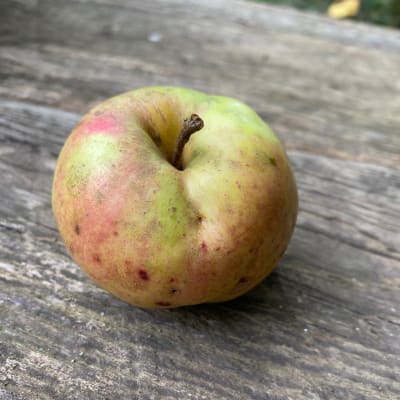
Malus spp. This is a twig for grafting. Fall. Full bittersweet cider apple. Very bitter yellow fruit with spots of pink and orange when fully ripe in mid-October. Intense tannins. Some specimens measured 21 brix. Heavy annual crops. Z4.
read more
Malus spp. Fall. Full bittersweet cider apple. Very bitter yellow fruit with spots of pink and orange when fully ripe in mid-October. Intense tannins. Some specimens measured 21 brix. Heavy annual crops. Z4.
read more
Capsicum annuum (90 days) Open pollinated. Rich reddish-brown 3½x3½" blocky thick-walled pepper. Meaty, sweet, delicious and flavorful even when green.
read more
Molasses is a source of important nutrients, including manganese, magnesium, copper, potassium and calcium. Food grade, shelf stable. Plants and beneficial microbes have a sweet tooth, too!
read more
Malus spp. This is a twig for grafting. Late fall. Medium-sized, medium-bittersweet cider apple. One of the most popular cider varieties. Not for eating fresh. Annual bearer. Z4.
read more
Malus spp. This is a twig for grafting. Fall. Small but flavorful. Crisp, juicy, tart, tangy, spicy. Good in hard cider. Keeps until January. Bears young, heavily, annually. Z4.
read more
Vaccinium corymbosum Early-Mid. 5-7'. One of the best blueberries for eating, freezing, canning and preserving. Loose clusters are easy to harvest. Productive bush is vigorous and upright. Disease resistant. Z4.
read more
Contains about 5% potassium in very slow-release form. Can be added to the soil in large amounts without altering the pH. Greatly enhances soil structure and promotes healthier plants.
read more
Malus spp. Early fall. Firm, crisp, juicy dessert crab excellent for fresh eating, pickles and sauce. Stores a month. Beautiful mid-late blooms. Z3.
read more
Malus spp. This is a twig for grafting. Early fall. Firm, crisp, juicy dessert crab excellent for fresh eating, pickles and sauce. Stores a month. Beautiful mid-late blooms. Z3.
read more
Malus spp. Late summer. These culinary crabapples are a tasty snack fresh off the tree, better after storage. Especially good for brandying. Keeps well. Z2/3.
read more
Malus spp. Fall. Small and flavorful! Crisp, juicy, tart, tangy, spicy. Good in hard cider. Keeps till January. Precocious and productive. Z4.
read more
Vitis spp. Mid-Late. Small-medium dark grapes in small to medium-sized clusters. The best variety this side of the Atlantic for a Pinot Noir-style red wine. Z3.
read more
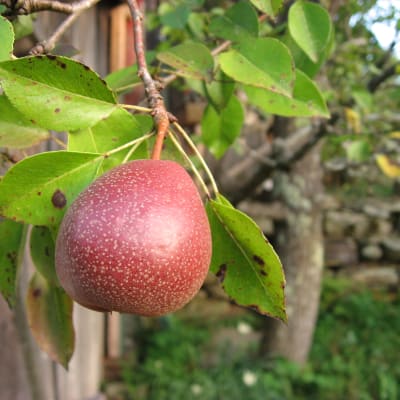
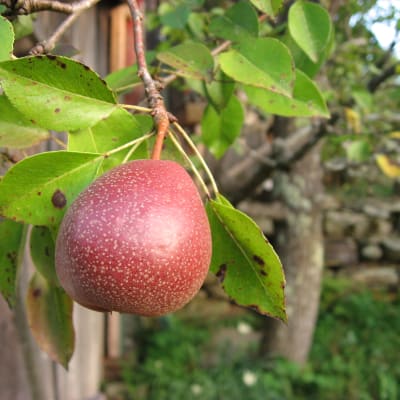
Pyrus communis Late summer. Small obovate yellowish-brown russeted pear with slight red blush. Often considered the best-flavored of all pears. Good fresh and cooked. Z4.
read more
Pyrus communisThis is a twig for grafting. Late summer. Small obovate yellowish-brown russeted pear with slight red blush. Often considered the best-flavored of all pears. Good fresh and cooked. Z4.
read more