A foundational approach to herbal preparations and medicine making, and a must-read for anyone interested in incorporating medicinal herbs into daily life via an assortment of delicious recipes!
read more
Ocimum basilicum (55 days) Open pollinated. Bright, lemony and fragrant. Upright, mounded plants doesn’t get leggy. Delightful in salads, teas, desserts, marinades, lemonade and more.
read more
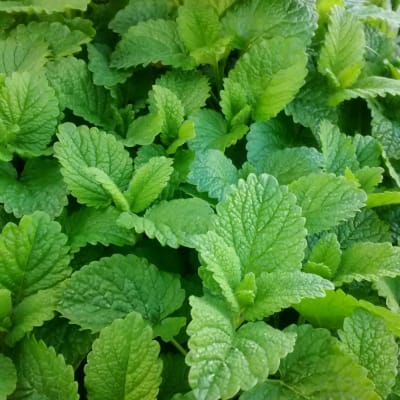
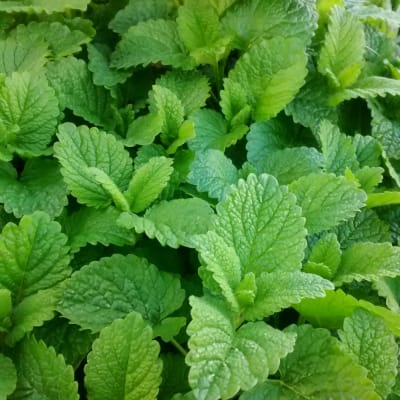
Melissa officinalis 18-24" tall. Lemony leaves are delicious in teas, salads, with fruit or dried for sachets. Attractive to pollinators. Z3/4.
read more
Coix lacryma-jobi (100 days) Open pollinated. Sets pendulous sprays of globular pearly purple-grey seeds, which may be strung as beads for necklaces. Spiky 2–3' stalks good for planters or as filler in dried fall arrangements.
read more
Trifolium pratense Biennial legume. Up to 36". Vigorous red clover for cover cropping or grazing. Deep taproot. Tolerates shade, so a good choice for overseeding into standing crops. Blossoms make a lovely tea.
read more
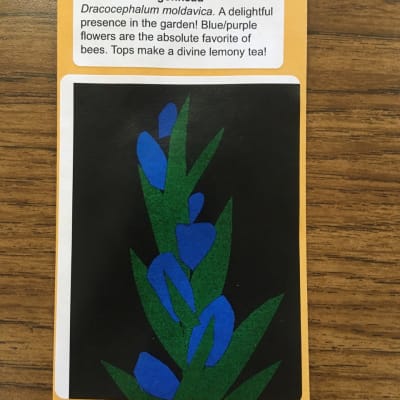
Dracocephalum moldavica (80 days) Open pollinated. Annual. Tea and medicine plant with purple-blue flower spikes that bumblebees love. 18" tall.
read more
Monarda punctata Open pollinated. A whimsical beauty with complex blossoms and many culinary and medicinal uses. Its oregano-like aroma and flavor is lovely for tea and seasoning.
read more
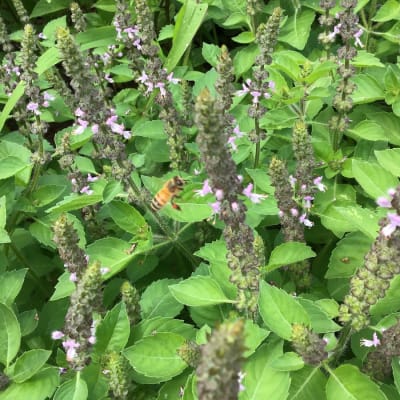
Agastache foeniculum Open pollinated. Perennial can grow 3' tall, 2' wide. Vigorous self-sower. Anise-scented foliage and purple flowers delightful as a tea or culinary seasoning, or filler in mixed bouquets.
read more
Agastache foeniculum Open pollinated. Perennial can grow 3' tall, 2' wide. Vigorous self-sower. Anise-scented foliage and purple flowers are delightful as a tea or culinary seasoning, or filler in mixed bouquets.
read more
Leonurus cardiaca Open pollinated. Perennial 2–4' plant with dull green leaves and tiny white to purple blooms. Bees love the flowering tops, which are used for tea or herbal tincture.
read more
Pycnanthemum virginianum 24-36" tall. Makes a tasty minty tea traditionally used to settle indigestion. Spreads readily. Densely flowered, attractive to pollinators. Native. Z4.
read more
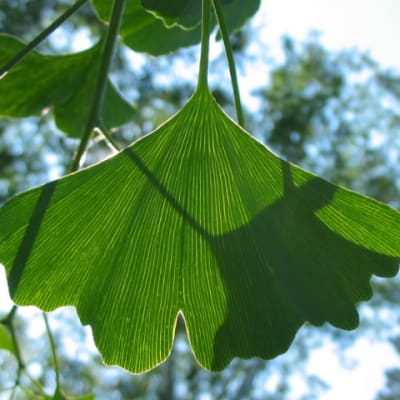
Ginkgo biloba 50-80'. Slow-growing, long-lived tree with unique fan-shaped foliage. Leaf tea used medicinally. Very adaptable and tolerant. Minimal maintenance required. Z5.
read more
Scutellaria lateriflora Open pollinated. Native spreading 1–2' perennial with numerous small blue flowers. Also known as Virginia Skullcap. Herbalists use it for headaches and insomnia.
read more
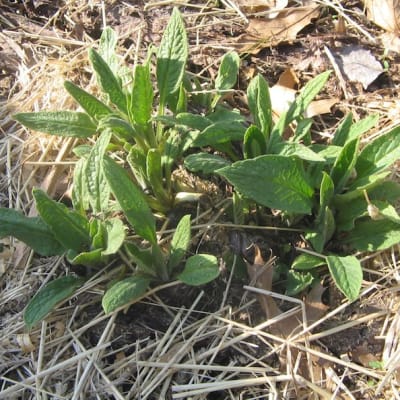
Symphytum × uplandicum 24–48" tall. Great companion plant for orchards. Excellent addition to the compost pile. Rich in silica, nitrogen, magnesium, calcium, potassium and iron. Z3.
read more
Urtica dioica 3-6' tall. Young shoots are high in minerals and leaves are delicious steamed as early spring greens. Cooking removes the sting. Spreads readily; choose your site carefully. Z2.
read more
Lindera benzoin 6-12' x 8-12'. Large rounded multi-stemmed fragrant native shrub suited to moist or wet areas. Soft-yellow flowers. Glossy red edible berries. Z5.
read more
Biochar helps your soil sequester more carbon and emit less nitrous oxide. Also provides a dream home for beneficial bacteria and fungi, while preventing essential nutrients from leaching away.
read more
Spread this blend of granite, zeolites, gypsum, micronutrients and humates in that fall, and it will improve soil structure, remineralize, and enhance nutrient availability for the next spring!
read more
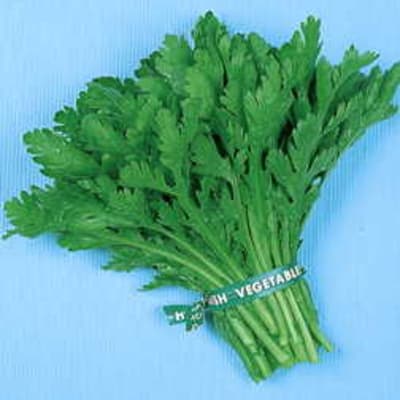
Glebionis coronaria (40 days) Open pollinated. Japanese Shungiku prized for small grey-green leaves and 3" yellow flowers, both edible. Sow in spring.
read more
Ocimum tenuiflorum (100 days) Open pollinated. A superior strain of Tulsi or Sacred basil, with a more compact growth habit and more pungent sweet flavor.
read more
Monarda didyma Open pollinated. Perennial to Zone 3. Bushy clumping 30", bears 1-2 whorls of red tubular flowers on each stem from mid to late summer.
read more
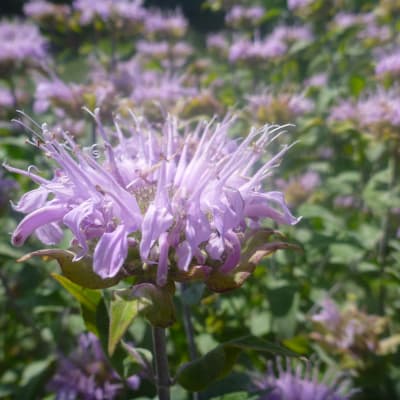
Monarda fistulosa 3-4' tall. Our native wildflower species with aromatic lavender blossoms. This is the variety most commonly used for medicinal purposes. Z3.
read more
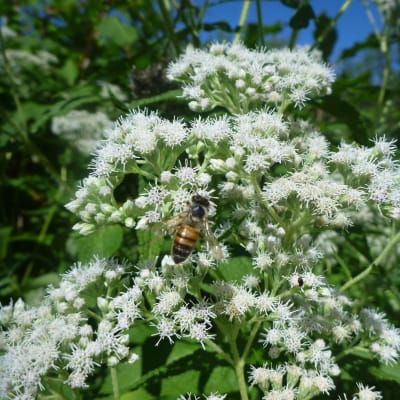
Eupatorium perfoliatum 5-7' tall. Flat-topped clusters of white to lavender flowerheads. Stimulates the immune system. Fetching addition to the perennial border. Z3.
read more
Thuja occidentalis 20-60'. Narrow and tall with twiggy branches, soft fibrous orange-brown bark, and distinct flat foliage. Good for screens and hedges. Z2.
read more
Abies balsamea 45-75'. Native conifers with fragrant boughs used for wreaths. The best Christmas tree! Semi-shade tolerant. Good hedge tree. Z3.
read more
Pinus strobus 100'+. Magnificent and massive when mature. Smooth bark becomes rough, deeply furrowed with age. Makes a beautiful hedge. Shade tolerant. Z3.
read more
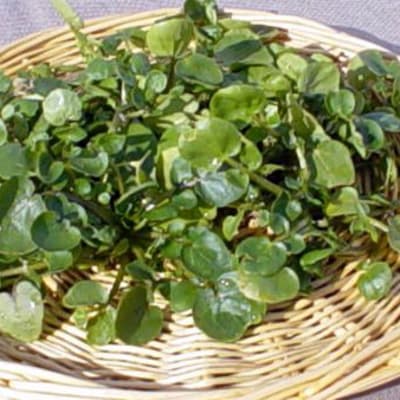
Nasturtium officinale (60 days) Open pollinated. Perennial hardy to Z4. Tasty green likes full sun and soggy conditions. Use in salads and soups.
read more
Pimpinella anisum (130 days) Open pollinated. White umbel flowers in July have delicate ornamental value. Seed ripens in August and September—wait until the tips of the fruits turn grey, and collect seeds before they turn black.
read more
Hyssopus officinalis Open pollinated. Perennial. Normally hardy to Zone 3. Beautiful aromatic perennial border plant that produces spikes of indigo flowers.
read more
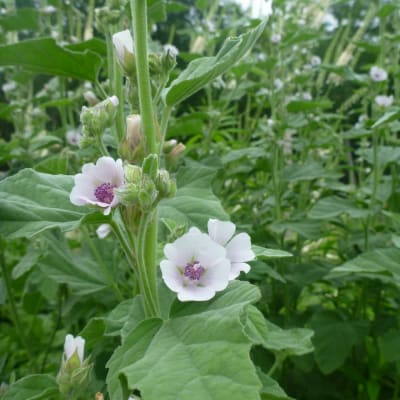
Althaea officinalis Open pollinated. Cousin to the hollyhock, this showy 4–6' plant is used to soothe and soften irritated skin and membranes.
read more
Mentha pulegium Open pollinated. Perennial. Hardy aromatic ground cover; plants creep with only the lavender flower stalks rising above the ground.
read more
Origanum majorana (80-95 days) Open pollinated. Grown as an annual in the North. 1' plant with grey-green rounded leaves of enchanting sweet fragrance.
read more
Hypericum perforatum Open pollinated. 1-3' perennial hardy to Zone 3. Pretty yellow flower of fields and meadows turns tinctures and oils deep red.
read more
Matricaria recutita Open pollinated. One of the most widely known herbs, powerful yet gentle, long used to promote relaxation. Perhaps a tad less sweet than others.
read more
Althaea officinalis 5-8' tall. Beautiful towering medicinal plant. Leaves, flowers and mucilagenous roots are used to soothe mucous membranes. Z4.
read more