A broad-spectrum preventative product made with Bacillus subtilis for the control or suppression of many important plant diseases. May be used as a drench or foliar spray.
read more
Helps induce systemic resistance to a broad range of fungal diseases in most edible crops. Preferable to copper fungicide on cannabis, and worth a try to prevent late blight in your potatoes!
read more
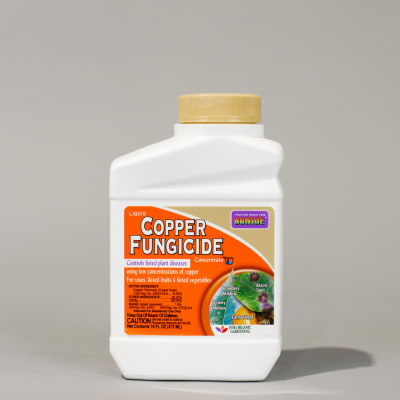
A copper fungicide for the home gardener. Copper is a very effective fungicide, but regular use may result in problematic concentrations in the soil or plant tissue: we advise regular soil testing!
read more
Made with thyme oil and corn oil, greenhouse tests show CannControl to prevent and eliminate powdery mildew, gray mold, mites, aphids, whiteflies, thrips and fungus gnats.
read more
Broad-spectrum control of bacterial and fungal diseases on vegetables, fruits, nuts, ornamental trees, shrubs, flowering plants, houseplants and tropical plants grown in home gardens or greenhouses.
read more
A soluble copper fertilizer combined with a fatty acid that controls most fungal diseases of plants and vegetables. Start treatment with copper before symptoms appear.
read more
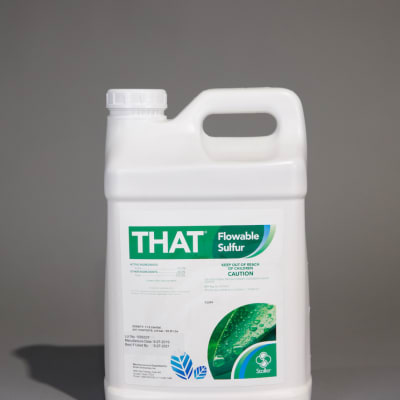
Used to control scab, powdery mildew and leaf spot. Sulfur is not water soluble; but small particles like these are better able to stay in suspension. Can also be applied as a powder.
read more
Easier to use in sprays and suspensions than micronized sulfur. Two to four well-timed applications can be effective on apple scab when combined with good orchard sanitation practices.
read more
High-grade mineral oil for control of powdery mildew, scale, mites and other insects on trees and vegetables. Kills mildew on contact, and protects sprayed surfaces for 10-14 days.
read more
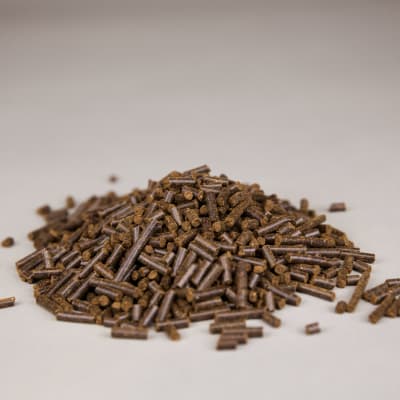
NPK: 6-1-3 avg. Rich in the basic nutrients, nitrogen, phosphorus and potassium, it makes an excellent fertilizer and soil additive. Can help suppress fusarium infestations.
read more
Malus spp. Fall-winter. Medium-large, slightly tart, crisp and juicy. Thomas Jefferson’s favorite. Good acid source for cider. All-purpose. Good keeper. Z4.
read more
Malus spp. This is a twig for grafting. Fall-winter. Medium-large, slightly tart, crisp and juicy. Thomas Jefferson’s favorite. Good acid source for cider. All-purpose. Good keeper. Z4.
read more
Mycorrhizae form beneficial relationships with the roots of most plant species: they boost plant growth by improving the roots’ ability to take up nutrients, water and oxygen.
read more
A netted grid of squares can be used vertically or horizontally. Unlike our poly trellis netting, jute netting does not stretch. Withstands up to three seasons of use.
read more
A netted grid of 6.5" squares can be used vertically or horizontally. Unlike our poly trellis netting, jute netting does not stretch. Withstands up to three seasons of use.
read more
Rich in several bitter flavonoids that stimulate plant immune function. Shown to prevent many pests from feeding and laying eggs. Also shown to kill pests such as mites, aphids and leafminer larvae.
read more
Microscopic sharp edges cut into insects’ bodies and cause death by dehydration. Insects cannot develop resistance to this mode of action. Good for cutworm protection.
read more
Neem has long been recognized for its antifungal, antibacterial and antiparasitic properties. Promotes the health and vitality of trees and plants. Deters a wide range of insect pests.
read more
Increases the life and effectiveness of pesticides by forming a sticky elastic film that holds the application in contact with leaf surfaces. Can withstand heavy rainfall. Will not clog or foam
read more
Agricultural Sulfur. Use to make soil pH more acidic. Often helpful for both lowbush and highbush blueberries, and for potatoes. Lowering the pH of gravel paths will help control weed growth.
read more