The book you need to grow apples organically. This revised and expanded version includes apple-growing basics, as well as the latest research and strategies for successful organic orchards.
Don’t guess—test! You’ll learn your soil pH, organic matter percentage, levels of common minerals and nutrients, plus we’ll offer customized recommendations to correct any deficiencies or imbalances.
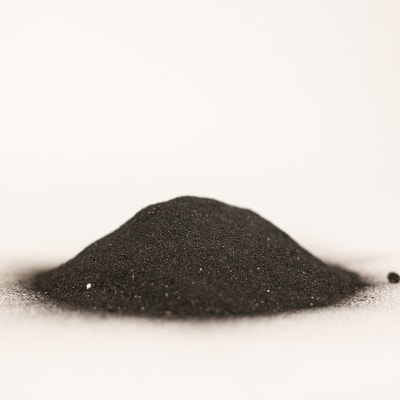
NPK: 0-16-0. Provides large amounts of readily available phosphorus. A most economical source of P for deficient soils. May be applied without restrictions to organically certified fields.
Agricultural Sulfur. Use to make soil pH more acidic. Often helpful for both lowbush and highbush blueberries, and for potatoes. Lowering the pH of gravel paths will help control weed growth.
Natural phosphorus source. Adequate phosphorus results in more vigorous early root formation, better flower and seed production, better growth in cold temperatures, and better water use efficiency.
Full of tools to plan for success before your first seed hits the soil. If I’d had this book when I started farming, I would have avoided many mistakes!
by Eliot Coleman, 208 pages, 6x9, hardcover. Maine farmer and legendary organic pioneer Eliot Coleman brings us the distillation of his nearly 60... read more
The embroidered design is “Fedco Seeds” outlined by heirloom dry beans arranged into a heart. Polyester foam front, mesh back, plastic snapback adjustable closure.
High-grade mineral oil for control of powdery mildew, scale, mites and other insects on trees and vegetables. Kills mildew on contact, and protects sprayed surfaces for 10-14 days.
Rich in several bitter flavonoids that stimulate plant immune function. Shown to prevent many pests from feeding and laying eggs. Also shown to kill pests such as mites, aphids and leafminer larvae.
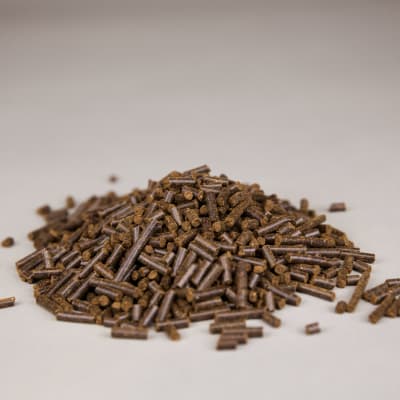
NPK: 4.6-0.9-1.3 avg. A favorite of earthworms and other beneficial soil organisms, and inhibits the growth of some notorious pathogenic soil microbes. Beloved by hemp and cannabis growers.
NPK: 6-1-3 avg. Rich in the basic nutrients, nitrogen, phosphorus and potassium, it makes an excellent fertilizer and soil additive. Can help suppress fusarium infestations.
A holistic approach emphasizing efficiency and solvency, but also quality of life. Breathe life into your growing endeavors and make your garden a more joyful place for all.
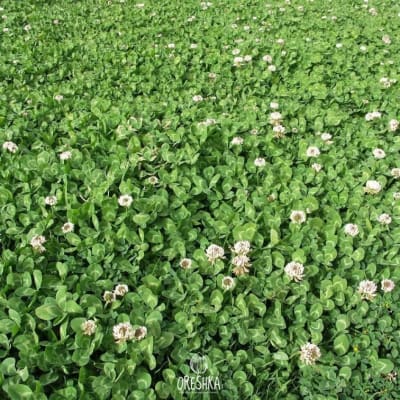
Trifolium repens Perennial legume. Up to 9". Small-leafed perennial clover establishes quickly and withstands traffic and close mowing. Our favorite clover for organic pasture.
Avena sativa Annual grass. Vigorous, lush foliage. Significantly more biomass production than common oats, making them superior for cover-cropping/soil-building, and for feeding livestock. Organic seed.
Open pollinated. Five or more kinds chosen from among arugulas, beets, chards, chervil, mustards, orachs, purslane, and kales. All organic, exact components vary.
Lactuca sativa Open pollinated. Refined, fancy, pricy and rare lettuces, all suitable for cut-and-come-again culture. Contrasting colors and leaf forms and all organic!
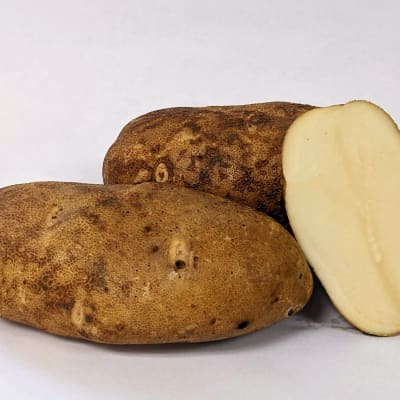
Solanum tuberosum Mid-season, russeted brown skin, white flesh. Bred for cool climates. Vigorous plants produce good yields of large oblong russet potatoes. Using organic practices, we've grown really big Caribou.
Solanum lycopersicum Multi-colored skin. Open pollinated. For a surprise medley of colors, sizes, shapes and flavors, and all organically grown seed. No cherries.
Molasses is a source of important nutrients, including manganese, magnesium, copper, potassium and calcium. Food grade, shelf stable. Plants and beneficial microbes have a sweet tooth, too!
NPK: 2.5-0.4-3.3 avg. Gives plants a noticeable boost and feeds soil organisms. Excellent vegan alternative to blood meal as a nitrogen source. Hands-down the best-smelling fertilizer out there.
Phaseolus vulgaris (106 days) Open pollinated. Large speckled tan beans with good yields, even in stressful conditions. Creamy texture for great comfort food.
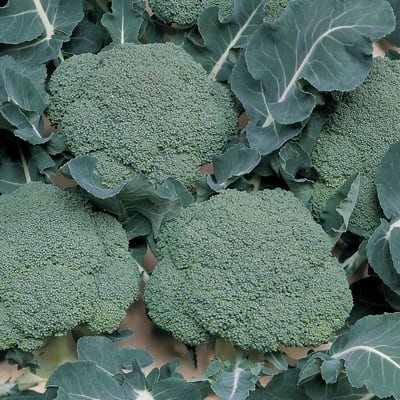
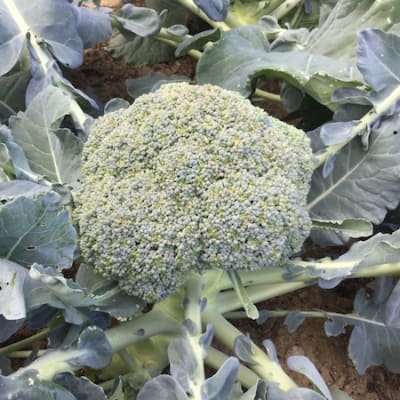
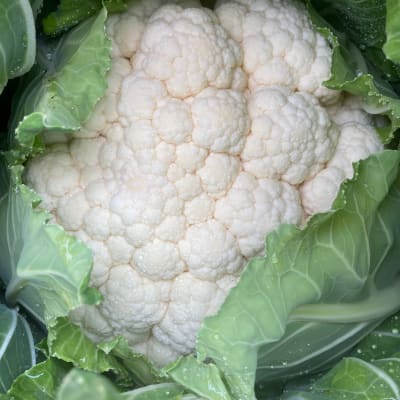
Brassica oleracea (botrytis group) (75 days) F-1 hybrid. Dark green large heads with medium-fine bead. Heat-tolerant in spring and summer, also good for fall harvests.
Brassica oleracea (botrytis group) (98 days) F-1 hybrid. Reliable production of 4-5 lb heads avg 8" across. Tender and sweet with brassica zing. Enjoy raw or cooked. For fall production only.
Brassica oleracea (gemmifera group) (120 days) F-1 hybrid. 1" tightly wrapped sprouts are widely spaced for ease of harvest and good air circulation. Vigorous and sturdy plants showed little aphid damage.
Brassica oleracea (capitata group) (105 days) F-1 hybrid. Dense 3-6 lb red heads with savoyed pinkish-purple outer leaves and green interior. Can be overwintered.
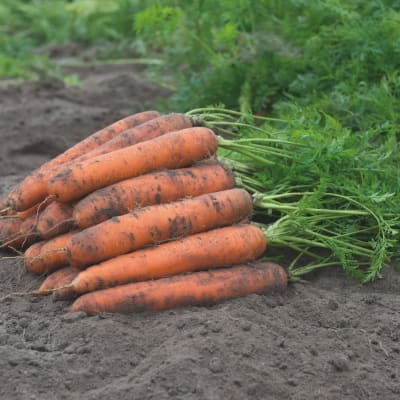
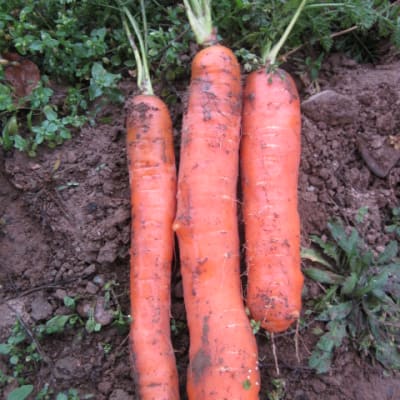
Daucus carota (55 days) F-1 hybrid. Blunt Nantes-type 7-8" orange carrot with strong green tops and a medium core. Snappy, sweet and juicy. Use fresh or store.
Brassica oleracea (botrytis group) (80 days) F-1 hybrid. You won’t need to use the force to attain revolutionary fall harvests of dependable cold-tolerant medium-large heads.
Solanum melongena White-streaked purple skin. (64 days in unheated tunnel, 72 days open field) F-1 hybrid. Slightly curved 8" extended-teardrop shape covered with purple and lavender streaks with emanations of ivory and light pink.
Medicago sativa Perennial legume, up to 3' high. This fragrant plant has beautiful purple flowers and is great for hay and as a cover crop. Herbalists consider it a valuable nutritive tonic.
Trifolium pratense Biennial legume. Up to 36". Vigorous red clover for cover cropping or grazing. Deep taproot. Tolerates shade, so a good choice for overseeding into standing crops. Blossoms make a lovely tea.
 All Certified Organic for Double Rack - OrganicSeed Rackunavailable, ordering will re-open in mid-November