Brassica rapa (50 days) F-1 hybrid. Smooth round pure white bunching turnip with delicate sweet flavor and crisp tender texture. Compares to and exceeds Hakurei Turnip.
read more
Brassica rapa (55 days) Open pollinated. Round red-skinned tennis ball-sized turnip. White flesh blushed rose pink. Compares to Scarlet Ohno Turnip.
read more
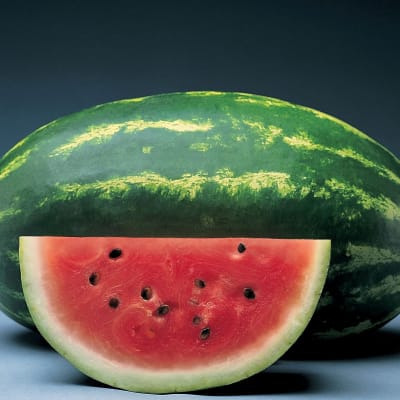
Citrullus lanatus (85 days) Open pollinated. Shipper. Reddish-pink flesh. Round to oval 9-12 lb fruit with dark green skin splotched with lime green.
read more
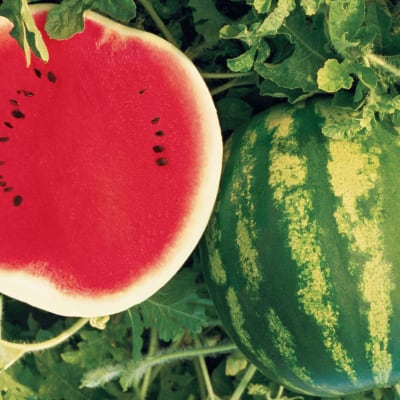
Citrullus lanatus (85 days) Open pollinated. Glorious red sweet juicy flesh. Though it loves warm locales, Sunsweet is adapted almost anywhere.
read more
Specialty and Heirloom Squash - Winter Squash Seeds
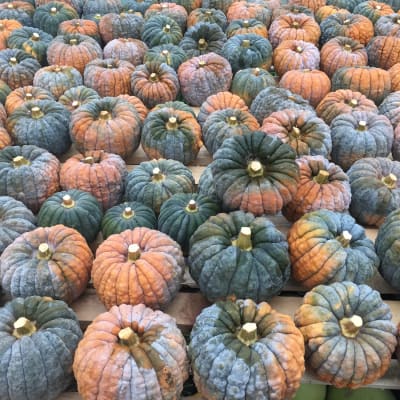
Cucurbita moschata (105 days) Open pollinated. Exquisite Japanese heirloom. Smooth fine-grained orange flesh has a rich, almost pumpkin-pie flavor. Edible skins are thin and tender enough to be served on the rind.
read more
Malus spp. Also called Bud 118 or B118. Semi-dwarf apple rootstock, similar in size to M111 (about 85-90% of standard). Space trees 20-25' apart. Z3.
read more
Malus spp. This is a twig for grafting. Fall. Very large blocky fruit resembles bell peppers. Probably originated on North Haven Island, ME, before 1850. Great fresh or cooked. Z4.
read more
Malus spp. This is a twig for grafting. 25x30'. Classic culinary crab. Apricot-pink buds, large fragrant pure white single flowers. Beautiful fruit makes flavorful ruby-red jelly. Z2.
read more
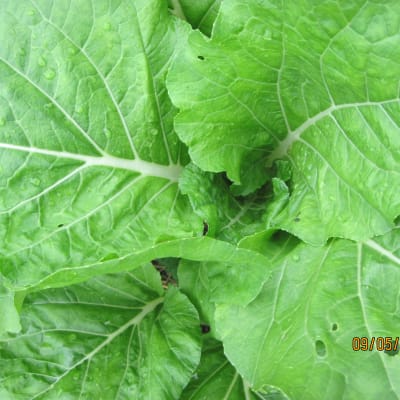
Brassica rapa (chinensis group) (50 days) Open pollinated. Classy pac choi with celery-like white stems and vase-shaped 15-18" tall heads. Succulent stems and tender greens.
read more
Vaccinium corymbosum Early-Mid. Excellent post-harvest color retention makes them popular for markets. Sweet and sweetly scently firm berries. Z5.
read more
This thorough and well-researched book features loads of educational tidbits and tips. Includes descriptions for 59 varieties with notes on taste, texture and suggested uses. Great for cooks.
read more
If you are a fan of the Eyewitness educational books from the ’90s, this one is for you. Covers 45 insect and spider species, with photos of every life stage! Includes an easy comparison guide.
read more
Rubus spp. Early-midsummer. The first ever thornless black raspberry available to home gardeners! Deep black large berries are moderately firm and tightly clustered. Vigorous upright canes. Z5.
read more
Zea mays (102 days) Open pollinated. Two 4-6" stocky ears per stalk. 8' plant with long dark green leaves. Delicious 1885 Pennsylvania Dutch heirloom.
read more
Hardwood tomato stakes, 1"x1"x6', bundle of 25. Pointed on one end. Locally harvested and milled hardwood (either ash or oak). Walk-in sales only.
read more
Vitis spp. Very Early. Large seedless blue berries good for fresh eating, juice or raisins. Resists cracking and performs well in hot wet summers. Very vigorous. Z5.
read more
Zinc-coated nameplates on galvanized steel legs provide permanent outdoor labeling. 10½" tall with a ⅞"x2½" horizontal nameplate. Comes with marking pencil.
read more
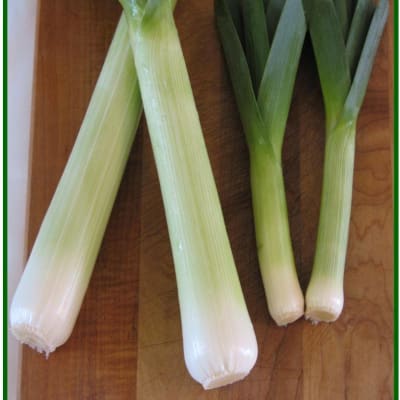
Allium ampeloprasum (porrum group) (75 days) Open pollinated. Dual-purpose "summer" leek. Direct seeded: 50 to 60 days for bunching. Or transplant for full-size August harvest.
read more
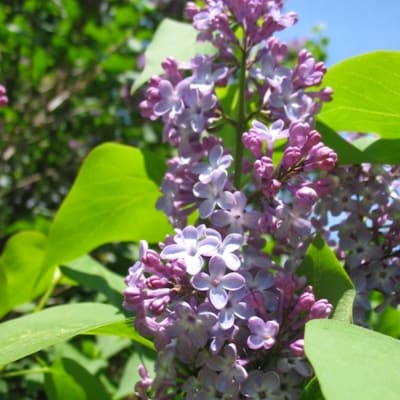
Syringa vulgaris 12-15' x same. A mass of medium-light purple blooms. A magnificent New England sight for nearly 400 years. The best lilac for a spreading hedge. Z3.
read more
Allium tricoccum Open pollinated. Also called Wild Leeks. Bulb-forming perennial is a spring ephemeral. Not a good germinator; expect less than 50%.
read more
Prunus persica Mid-Late. Firm yellow flesh. Freestone. Bred for non-browning flesh quality and for good storage. Resists bacterial leaf spot. Z5.
read more