A blend of microorganisms and mycorrhizal fungi to prevent seed rot and enhance growth for corn, legumes, grasses, potatoes, garlic, and other veggies. Recommended if you cut your own seed potatoes!
read more
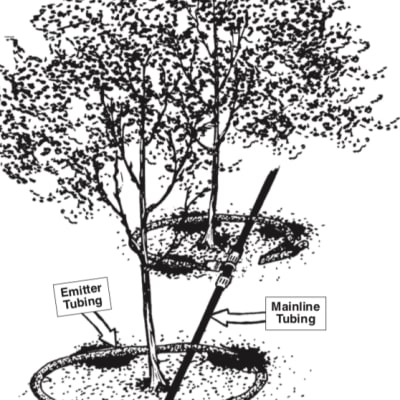
Emitter tubing delivers water where your new trees, canes, and shrubs need it most, while minimizing leaking and clogging. Includes instructions, tubing, couplers, and more!
read more
Medicago sativa Perennial legume, up to 3' high. This fragrant plant has beautiful purple flowers and is great for hay and as a cover crop. Herbalists consider it a valuable nutritive tonic.
read more
Lolium multiflorum Annual or winter annual grass. Extremely frost hardy. Widely adaptable. Will establish quickly in cool wet spring weather, providing a dense cover crop and outcompeting weeds. Good erosion control.
read more
Lolium multiflorum Annual or winter annual grass. Extremely frost hardy. Widely adaptable. Will establish quickly in cool wet spring weather, providing a dense cover crop and outcompeting weeds. Good erosion control.
read more
Diverse multispecies clover-heavy mix is great as a soil-building living mulch under tall-growing competitive crops, like cannabis. Suitable in raised beds, containers and high tunnels.
read more
This dynamic cover crop duo has become a favorite of growers who value its vigorous growth and soil-building prowess, along with the assurance that it will winterkill up North.
read more
Brassica juncea or Sinapis alba Annual broadleaf. Great cover crop to retain nutrients, suppress weeds and improve water penetration. Breaks down into compounds toxic to nematodes and soil-borne pathogens.
read more
Rumex acetosa (60 days) Open pollinated. Thick sword-shaped lemony-flavored leaves picked when young and tender. A special treat in early spring. Perennial hardy to Z3.
read more
Crataegus phaenopyrum 15-20' x 12-20'. Shrubby thorny low-branching dense tree. Used for centuries as a circulatory and cardiovascular tonic herb. Z4.
read more
Prunus persica Commonly grown as hardy disease-resistant rootstock. Known to grow relatively true to type. Fruit best for processing, decent for fresh eating. Plant for fruit or grafting. Z4.
read more
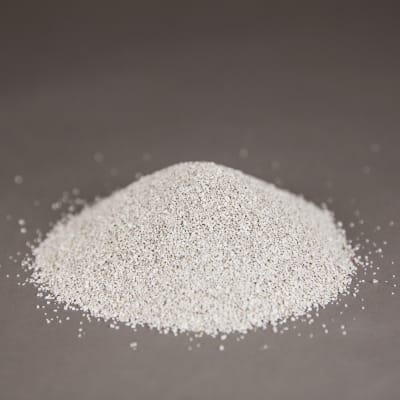
Tiny particles of kaolin clay prevent insects from recognizing their targets, and, if they land, inhibit their access to the plant’s surface and cause irritation and excessive grooming.
read more
Want to grow your own seedlings but don’t know where to start? This kit is for you! Contains potting soil, cell trays, domes, labels, and extra-thorough instructions to help you succeed.
read more
Strong injection-molded dishwasher-safe pots have efficient drainage holes, are easy to fill with potting mix, and are easy to extract seedlings from.
read more
A lightweight, porous and stable material made from volcanic glass. Widely used in potting mixes to improve water retention and prevent compaction. Also great for rooting cuttings.
read more
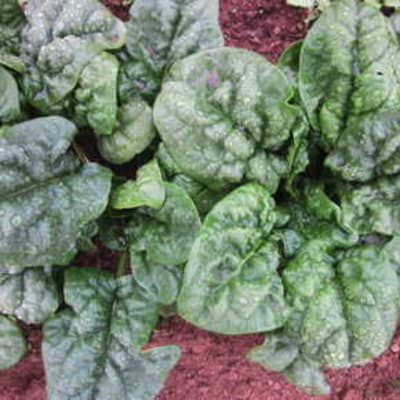
Spinacia oleracea (45 days) Open pollinated. Recommended for late fall, winter greenhouse, or overwintering under mulch. Large semi-savoyed medium-green spinach selected for cold hardiness.
read more
Spinacia oleracea (47 days) Open pollinated. Old variety grows slowly, tolerates low temps. Good spring and fall, and great for overwintering. Deeply savoyed leaves.
read more
Solanum lycopersicum (65 days) Open pollinated. Prolific clusters of 10–12 1½" very shiny red fruits hold on the vine and can be picked all at once. Excellent fresh, stewed or added to sauce.
read more
Solanum lycopersicum (60 days) F-1 hybrid. Large bright yellow cherries! Productive, disease resistant, crack-free and borne in large clusters.
read more
These loppers use a simple ratcheting mechanism to increase the pressure from your grip five-fold. Branches up to 1½" cut cleanly with less strain and fatigue than with traditional loppers.
read more
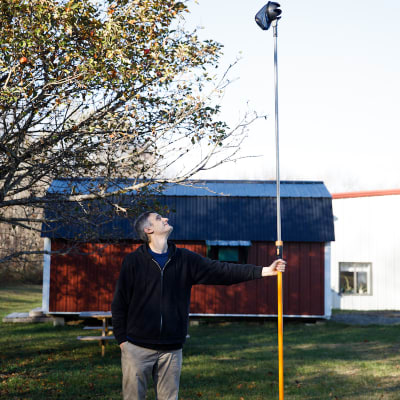
This sturdy yet lightweight tool won't puncture or damage fruit. Suitable for practically all shapes and sizes of fruit, from crabapples to papayas. Extends from 6'8" to 11'8"
read more
This tried-and-true professional model offers an adjustable pressure regulator, a chemical-resistant stainless steel wand with brass nozzle, excellent parts availability, and a solid reputation.
read more
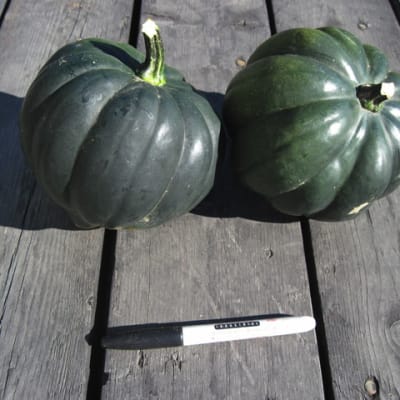
Cucurbita moschata (104 days) F-1 hybrid. Full running vines yield a ton of uniform tan 2-3 lb fruits. Smooth semi-dry texture and medium nutty sweetness hold in storage. Disease resistant.
read more
Zeolites can improve the productivity of any texture of soil, improving water and mineral retention in sandy soils and improving aeration and minimizing compaction in heavier soils.
read more
Natural phosphorus source. Adequate phosphorus results in more vigorous early root formation, better flower and seed production, better growth in cold temperatures, and better water use efficiency.
read more
Malus spp. Early fall. Also called Snow. Ruby-red fruit with tender white flesh. Excellent fresh eating, sauce and fresh cider. Keeps until late December. Z3.
read more
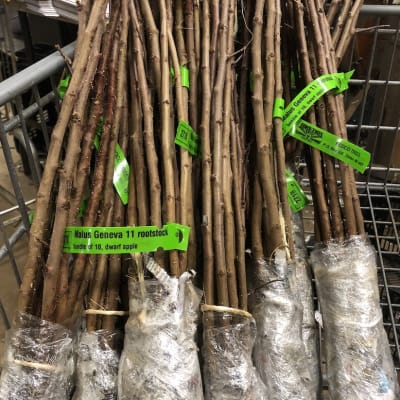
Malus spp. Fall. Modern apple bred for disease resistance, shelf life and flavor. Great fresh eating. Flesh stays white when sliced. Easy-to-grow annual producer. Z4.
read more
Malus spp. Fall. An offspring of Frostbite and Chestnut apples. This russeted dessert apple is small, but packs a lot flavor. We eat them raw or baked whole rolled in cinnamon and sugar. Z4.
read more
Malus spp. Summer. Modern PRI-bred variety. Mildly tart, spicy and rich flavored. Great fresh eating quality. Disease-resistant, scab immune. Blooms mid-late season. Z4.
read more
Malus spp. Summer. The standard Maine summer cooking apple, especially pies. Medium-sized dark red fruit. Juicy subacid white flesh tinged with red. Z3.
read more
Malus spp. Fall. Medium-large red-fleshed apple. Use for sauce, pies. Very sharp and bitter in cider. Two-toned flowers, bronze-red foliage. Z3.
read more