Willows
-
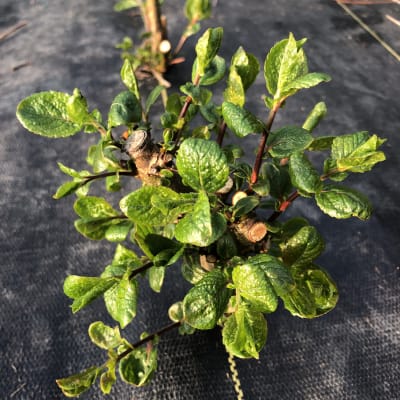
ships in springnew!‘Blackskin’ Myrsine-Leaf WillowBare-Root PlantsCheck for new listings in early August
-
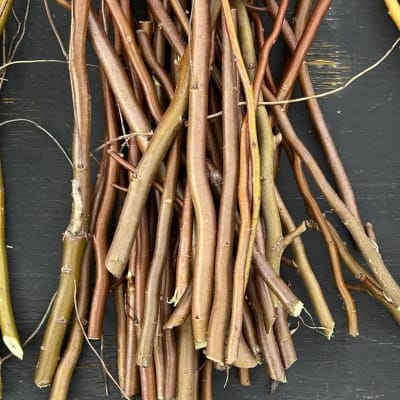
ships in spring‘Frances Red’ Basket WillowBare-Root PlantsCheck for new listings in early August
-
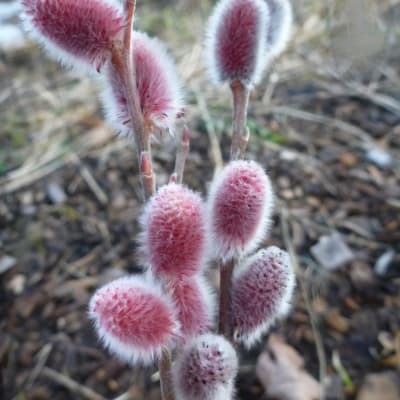
ships in spring‘Mt. Aso’ Japanese Pink Pussy WillowBare-Root PlantsCheck for new listings in early August
-
ships in springBlack Pussy WillowBare-Root PlantsCheck for new listings in early August
-
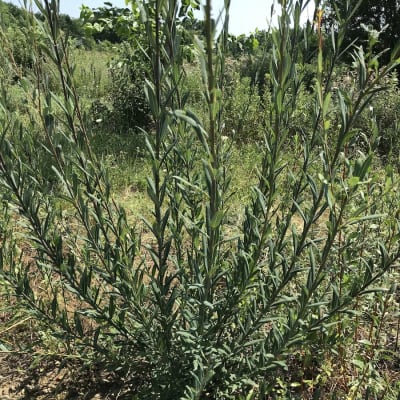
ships in springBlue Leaf Arctic WillowBare-Root PlantsCheck for new listings in early August
-
ships in springnew!Japanese Fantail WillowCuttingsCheck for new listings in early August
-
ships in spring‘Burgundy’ Curly WillowCuttingsCheck for new listings in early August
-
ships in spring‘Green’ Curly WillowCuttingsCheck for new listings in early August
-
ships in spring‘Super Curl Red’ Curly WillowCuttingsCheck for new listings in early August
-
ships in springGolden Weeping WillowBare-Root TreesCheck for new listings in early August


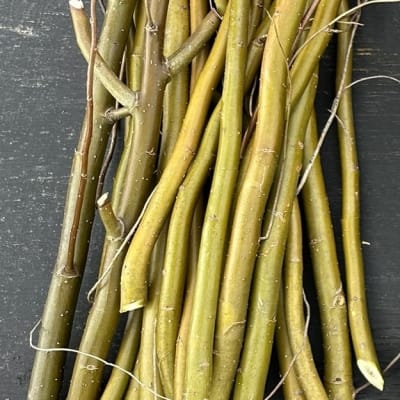



Willows Salix spp.
The genus Salix comprises hundreds of different species of plants most commonly called willows but sometimes called Osier or Sallow. Willows grow all over the world. Some, like the weeping willow, are towering specimens. Others are short scrubby bushes; willows growing in the arctic can be 100 years old but only 2' tall! Uses include ornamental landscaping, shade, basketmaking, erosion control, timber, fuel and medicine. All parts, especially the bark, contain salicin, used for relief of pain and fever for hundreds, or even thousands, of years. Aspirin is a synthetic analog of salicin. Willows feed local wildlife, insects and birds. We plant them near the orchard to provide early season forage for our native pollinators. All prefer sun and loamy wet soils, but are adaptable, easily transplanted and fast growing.