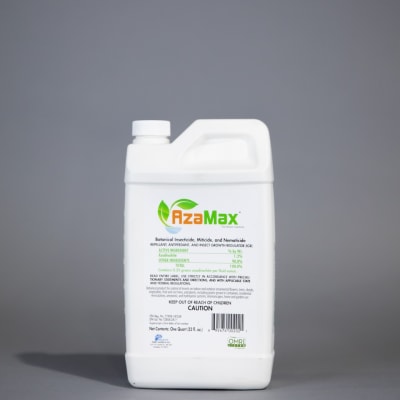
Botanical insecticide, repellant, anti-feedant and insect growth regulator, with 6% azadirachtin, derived from the neem tree, Azadirachta indica.... read more
Microscopic sharp edges cut into insects’ bodies and cause death by dehydration. Insects cannot develop resistance to this mode of action. Good for cutworm protection.
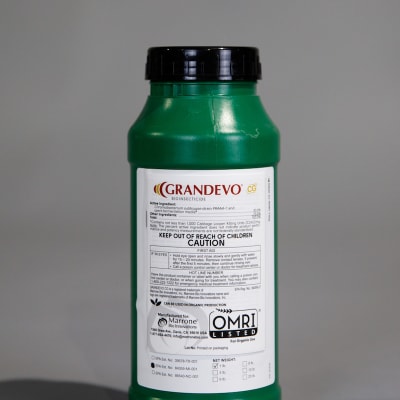
Biological insecticide made of commercial strength Bt, and labeled for a wide variety of caterpillar and moth pests on practically every agricultural crop there is.
Botanical Insecticide/Miticide/Nematicide with azadirachtins A+B. Offers rapid knockdown of spider mites and cucumber beetles: similar to PyGanic, but with a lower price tag and less toxic to bees.
Reduces plant damage from sucking and chewing insects including Colorado potato beetle larve. Faster-acting than most biological products: stops feeding activity within one minute of exposure.
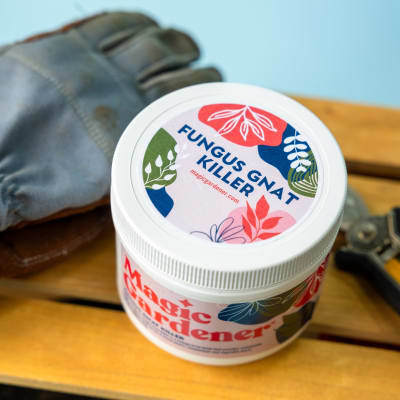
If you’ve noticed tiny flies hovering around your houseplants or greenhouse containers, and your plants are looking sick, fungus gnats are likely... read more
Spinosad is selectively active on a broad range of insects including caterpillars, flies, and some beetles, as well as sawflies, wasps, and, alas, bees. For home use only. Please apply with caution.
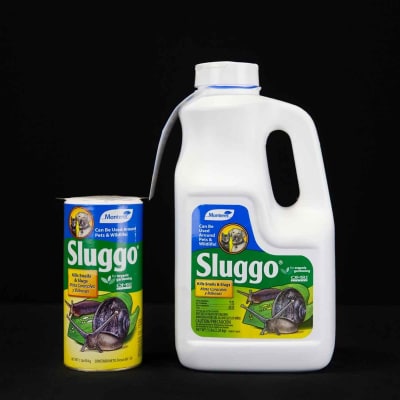
Snail and slug bait mixed with iron phosphate. Snails and slugs gather to eat the bait, and the iron phosphate causes them to cease feeding and die in a few days. Damage reduction is almost immediate.
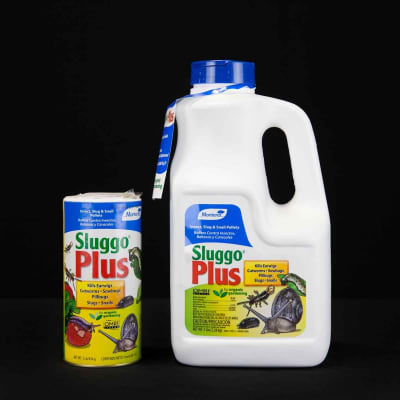
Similar to Sluggo, but with the addition of a small amount of spinosad (0.07%), which greatly increases effectiveness and scope. For snails, slugs, cutworms, earwigs, pillbugs, crickets and more.
Neem has long been recognized for its antifungal, antibacterial and antiparasitic properties. Promotes the health and vitality of trees and plants. Deters a wide range of insect pests.
A botanical insecticide derived from chrysanthemum that has a rapid knockdown and high kill rate, but low toxicity for humans and other vertebrates. Commercial use only. Please apply with care.
For use on vegetables, fruit and nut trees, ornamental plants, and most livestock. Derived from the chrysanthemum Tanacetum cinerariaefolium
grown... read more