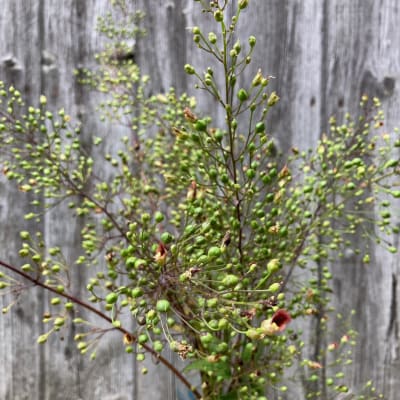
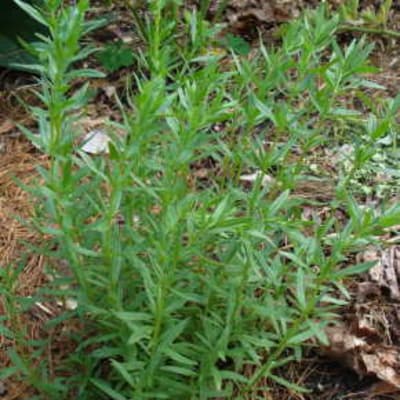
Rubia tinctorum Open pollinated. Ancient and excellent source of red dye. Harvest roots after three years and grind to yield a wash- and light-fast red dye par excellence. 4' plants.
read more
Ageratina altissima Open pollinated. Flat-topped fuzzy clusters of small pure white disk flowers bloom August through October, attracting multiple species of bees, moths and butterflies.
read more
Saponaria officinalis Open pollinated. Not a dye plant; saponin-rich roots and leaves used to gently wash wool. Sweetly clove-scented pink perennial attracts pollinators. 3' plant.
read more
Agastache foeniculum Open pollinated. Perennial can grow 3' tall, 2' wide. Vigorous self-sower. Anise-scented foliage and purple flowers delightful as a tea or culinary seasoning, or filler in mixed bouquets.
read more
Agastache foeniculum Open pollinated. Perennial can grow 3' tall, 2' wide. Vigorous self-sower. Anise-scented foliage and purple flowers are delightful as a tea or culinary seasoning, or filler in mixed bouquets.
read more
Codonopsis pilosula Open pollinated. Perennial to Zone 4. Used in Chinese medicine like ginseng, but considerably easier to grow than true Panax ginseng.
read more
Pycnanthemum incanum Open pollinated. A culinary herb, excellent cutflower and pollinator fave! “Mintier than mint” and less likely to spread.
read more
Hyssopus officinalis Open pollinated. Perennial. Normally hardy to Zone 3. Beautiful aromatic perennial border plant that produces spikes of indigo flowers.
read more
Alchemilla mollis Open pollinated. Perennial. 12-18" Bears large loose sprays of tiny greenish-yellow flowers from early summer onward. Makes a good border and ground cover in shady locations.
read more
Levisticum officinale Open pollinated. Perennial. Umbelliferous, attracts beneficial insects, grows 3-6' and makes a dramatic architectural element in a decorative border.
read more
Althaea officinalis Open pollinated. Cousin to the hollyhock, this showy 4–6' plant is used to soothe and soften irritated skin and membranes.
read more
Leonurus cardiaca Open pollinated. Perennial 2–4' plant with dull green leaves and tiny white to purple blooms. Bees love the flowering tops, which are used for tea or herbal tincture.
read more
Mentha pulegium Open pollinated. Perennial. Hardy aromatic ground cover; plants creep with only the lavender flower stalks rising above the ground.
read more
Hypericum perforatum Open pollinated. 1-3' perennial hardy to Zone 3. Pretty yellow flower of fields and meadows turns tinctures and oils deep red.
read more
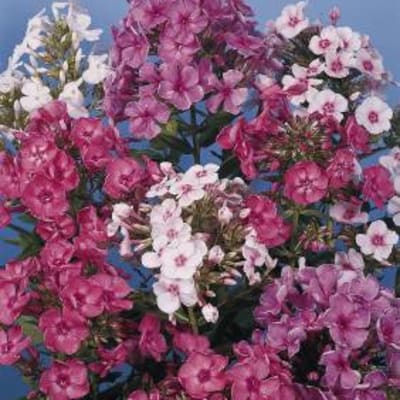
Phlox paniculata F-1 hybrid. Mix of white, pinks, reds and lilacs excellent for borders and cutflowers. Blooms from June till frost. Perennial.
read more
Kniphofia uvaria Open pollinated. A riot of yellow, orange and fiery red tubular flowers. Blooms July-September. An unusual accent in arrangements.
read more
Rudbeckia fulgida Open pollinated. Golden-yellow flowers with dark central cones. Much larger flowers—up to 5" across—than the common wildflower. Ideal for cutting. 2' tall.
read more
Scutellaria lateriflora Open pollinated. Native spreading 1–2' perennial with numerous small blue flowers. Also known as Virginia Skullcap. Herbalists use it for headaches and insomnia.
read more
Lathyrus latifolius Open pollinated. The traditional English cottage sweet pea. Shades of rose, white and pink in big clusters. Good cutflowers. Climbs 6'.
read more
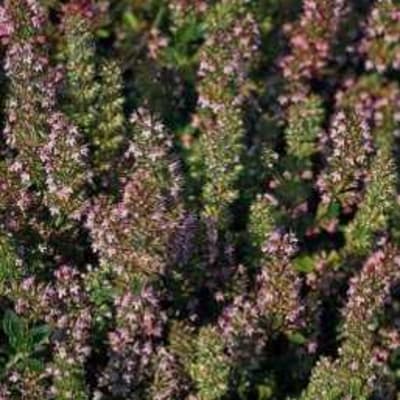
Thymus serpyllum Open pollinated. Creeping sweet-scented ground cover with purple flowers good in rock gardens, between stepping stones or on dry slopes.
read more
Verbena hastata Open pollinated. Perennial. 5-6' plant grows naturally in moist thickets and meadows does well in similar garden conditions, sending up many terminal spikes of bristly blue-violet flower clusters the entire season.
read more
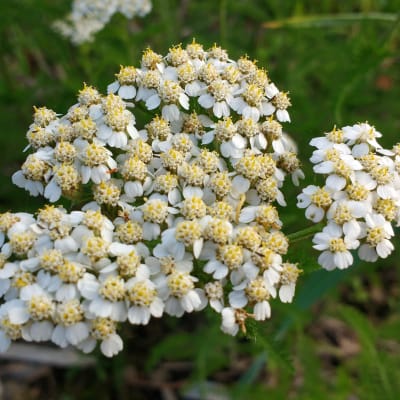
Achillea millefolium Open pollinated. Perennial grows 1-2', spreads slowly, preferring lean soil. Rich garden soil may produce lush 3' plants that need staking. Zone 2.
read more