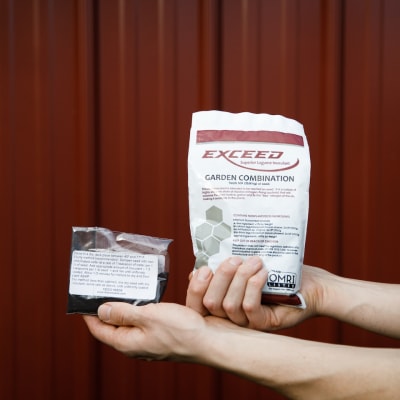
Inoculates peas, sweet peas, cowpeas, dry beans, peanuts, lentils, limas, vetch, and Sunn Hemp. We recommend using fresh inoculant each time you plant a legume.
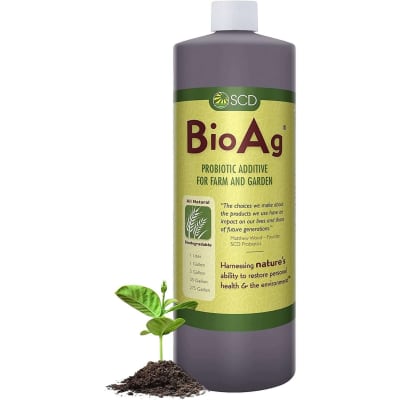
A ready-to-dilute microbial inoculant that unlocks nutrients, strengthens roots, and builds resilient soil and plants. No brewing required. Replaces EM-1.
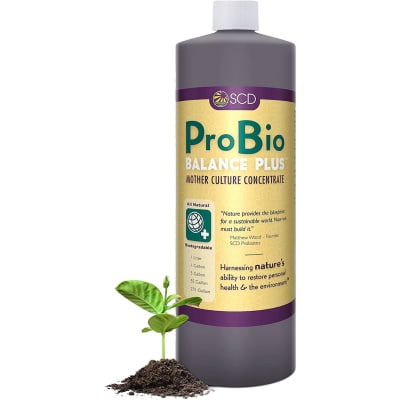
A mother culture microbial inoculant that unlocks nutrients, strengthens roots, and builds resilient soil and plants. Activates into 20× more product. Replaces EM-1.
Mycorrhizae form beneficial relationships with the roots of most plant species: they boost plant growth by improving the roots’ ability to take up nutrients, water and oxygen.
A liquid combination of yeasts, actinomycetes, and bacteria. Promotes plant health and growth, and improves nutrient absorption and soil fertility. Our cannabis-growing friends can't do without it.
A blend of microorganisms and mycorrhizal fungi to prevent seed rot and enhance growth for corn, legumes, grasses, potatoes, garlic, and other veggies. Recommended if you cut your own seed potatoes!
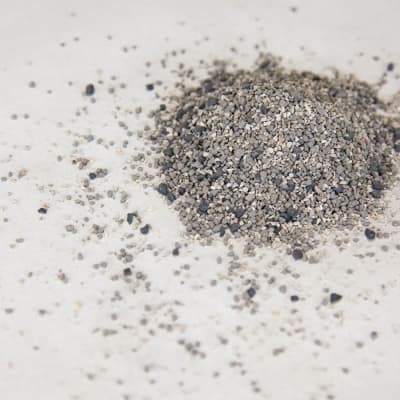
A granulated blend of 7 beneficial mycorrhizal fungi for mixing into soil. Add to seedbeds or work into the soil around your trees and shrubs to boost root growth, nutrient uptake and soil health.
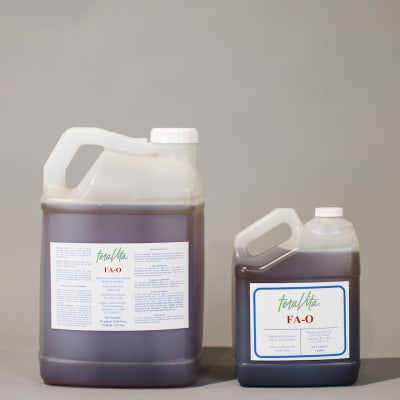
Fulvic acid is a powerful antioxidant and chelator: one molecule can transport 60 or more minerals into plant cells for a more efficient and effective fertilization program
Humic acids perform many complex functions. They neutralize soil pH, prevent leaching of trace minerals, stimulate growth of foliage and roots significantly, and much, much, more!
NPK: 4-4-0.5. Contains fish hydrolysate, kelp extract, humic and fulvic acids, and a dash of chilean nitrate to boost the nitrogen levels for rapid vegetative growth.
Medicago sativa Perennial legume, up to 3' high. This fragrant plant has beautiful purple flowers and is great for hay and as a cover crop. Herbalists consider it a valuable nutritive tonic.
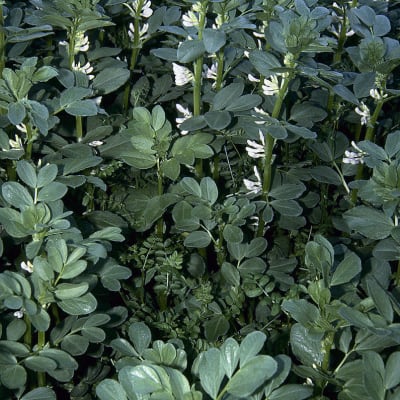
Vicia faba Annual or winter annual legume. Great for fixing nitrogen, and building large amounts of biomass. Bell beans will happily sprout in half-frozen soil, and tolerate a wide range of soil conditions.
Trifolium repens Perennial legume. Up to 12". Vigorous large-leafed white clover. Readily self-seeds. Excellent for perennial grazing pasture and improving soil quality in areas transitioning from woody growth.
Trifolium incarnatum Tender biennial legume. Up to 18". Rapid growth in cool weather makes this vigorous clover great for cover cropping and green manure. Crimson blooms attract bees and make good cutflowers.
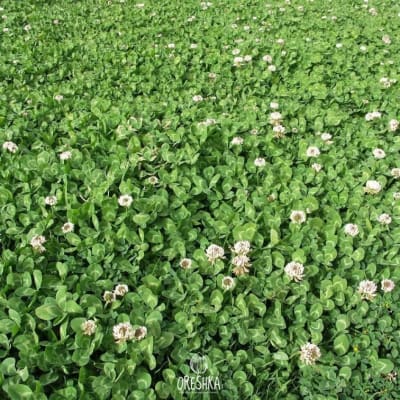
Trifolium repens Perennial legume. The lowest-growing clover. This shade- and traffic-tolerant perennial makes nice garden paths and living mulch. Our most popular clover.
Trifolium pratense Short-lived perennial legume. Up to 24". A high-yielding red hay clover with glabrous stems for fast dry-down. Excellent winter hardiness and persistence. Good for acidic or wet soils.
Trifolium repens Perennial legume. 8–12" tall. Fantastic nitrogen fixer with great protein and digestibility. Tall enough to be harvested for hay, silage, and green chop. Good choice for poorly drained soil.
Trifolium pratense Biennial legume. Up to 36". Vigorous red clover for cover cropping or grazing. Deep taproot. Tolerates shade, so a good choice for overseeding into standing crops. Blossoms make a lovely tea.
Trifolium pratense Short-lived perennial legume. Up to 24". Vigorous and high-yielding clover suitable for pastures, underseeding and cover-cropping. More drought-tolerant than white clover.
Trifolium repens Perennial legume. Up to 9". Small-leafed perennial clover establishes quickly and withstands traffic and close mowing. Our favorite clover for organic pasture.
Melilotus officinalis Biennial legume. Up to 6'. Vigorous clover for cover cropping, bee forage and green manure. Long thick taproots are very effective at breaking up subsoils and improving soil aeration.
Pisum sativum var. arvense Annual legume. Also called Forage Peas. Great as weed-smothering workhorse soil builder, or a tasty and highly digestible forage. Likes cool moist conditions. Will grow in most soil types.
This mix offers organic matter production, nitrogen fixation, nutrient scavenging, erosion control, and weed suppression. Perfect for no-till growers and gardeners who work with hand tools only.
This dynamic cover crop duo has become a favorite of growers who value its vigorous growth and soil-building prowess, along with the assurance that it will winterkill up North.
Crotolaria juncea Annual legume. Rock star cover crop builds organic matter, fixes atmospheric nitrogen, controls harmful nematodes, and still finds time to be beautiful! Grows vigorously in warm conditions.
Contains all the key ingredients in the Holistic Spray recipe developed and recommended by Michael Phillips and the Holistic Orchard Network to enhance tree and fruit growth and help ward off disease.