Showing 10
of 10 items
Apricots
-
ships in springnew!Blenheim ApricotBare-Root TreesCheck for new listings in early August
-
ships in springnew!Harcot ApricotBare-Root TreesCheck for new listings in early August
-
ships in springnew!Harlayne ApricotBare-Root TreesCheck for new listings in early August
-
ships in springnew!Harogem ApricotBare-Root TreesCheck for new listings in early August
-
ships in springnew!Harostar™ ApricotBare-Root TreesCheck for new listings in early August
-
ships in springnew!Manchurian Apricot SeedlingBare-Root TreesCheck for new listings in early August
-
ships in springnew!Morden 604 ApricotBare-Root TreesCheck for new listings in early August
-
ships in springTlor Tsiran ApricotBare-Root TreesCheck for new listings in early August
-
ships in springWestcot ApricotBare-Root TreesCheck for new listings in early August
-
ships in springnew!Zard ApricotBare-Root TreesCheck for new listings in early August


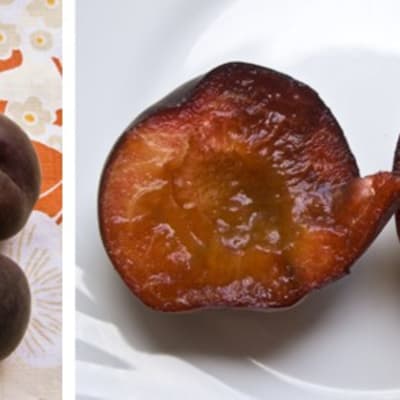
Apricots Prunus armeniaca
Apricots are native to central Asia and have been cultivated there for about 4000 years. Although trees are very hardy, large crops of fruit have been dicey in Maine because bloom time is so early. Consider planting them with northern exposures to delay flowering and improve chances of fruit set. The zone rating should be viewed as an approximation because much depends on your site. As climate changes, we’re seeing good crops on later-blooming varieties in our region; planting apricots seems more worthwhile these days. Please let us know if you’ve had success.
Growing Apricots
- Soil: Prefers well-drained fertile soil.
- Sun: Full.
- Pollination: Self-pollinating.
- Spacing: 15-20' apart.
- Planting: Consider a site with northern exposure to delay flowering. See our planning and planting and pests and diseases pages for instructions on soil prep, planting and pest control.