Leonurus cardiaca Open pollinated. Perennial 2–4' plant with dull green leaves and tiny white to purple blooms. Bees love the flowering tops, which are used for tea or herbal tincture.
Stevia rebaudiana (100-120 days) Open pollinated. Stevia is several hundred times sweeter than sugar, and is used fresh, dried, powdered or in a liquid as a sugar substitute.
Pyrus communisThis is a twig for grafting. Mid-late summer. Very juicy melting sweet fruit. The perfect pear for fresh eating. Makes great pear wine. Z4.
A broad-spectrum preventative product made with Bacillus subtilis for the control or suppression of many important plant diseases. May be used as a drench or foliar spray.
A soluble copper fertilizer combined with a fatty acid that controls most fungal diseases of plants and vegetables. Start treatment with copper before symptoms appear.
High-grade mineral oil for control of powdery mildew, scale, mites and other insects on trees and vegetables. Kills mildew on contact, and protects sprayed surfaces for 10-14 days.
Helps induce systemic resistance to a broad range of fungal diseases in most edible crops. Preferable to copper fungicide on cannabis, and worth a try to prevent late blight in your potatoes!
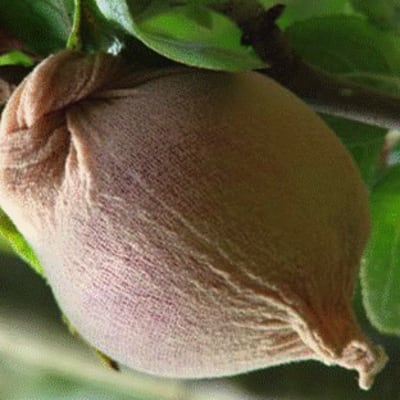
Stretchable nylon sleeves prevent damage to tree fruits from apple maggots, codling moths and plum curculio. Heavy weave and reinforced seam. Reusable and made in the USA.
Tiny particles of kaolin clay prevent insects from recognizing their targets, and, if they land, inhibit their access to the plant’s surface and cause irritation and excessive grooming.
Biological insecticide made of commercial strength Bt, and labeled for a wide variety of caterpillar and moth pests on practically every agricultural crop there is.
A botanical insecticide derived from chrysanthemum that has a rapid knockdown and high kill rate, but low toxicity for humans and other vertebrates. Commercial use only. Please apply with care.
For use on vegetables, fruit and nut trees, ornamental plants, and most livestock. Derived from the chrysanthemum Tanacetum cinerariaefolium
grown... read more
Increases the life and effectiveness of pesticides by forming a sticky elastic film that holds the application in contact with leaf surfaces. Can withstand heavy rainfall. Will not clog or foam
A wetting agent and spreader-sticker. Increases the longevity and effectiveness of pesticide applications and forces hydrophobic potting media (like dry peat moss) to more readily absorb water.
These 20-gallon non-woven fabric pots have built-in handles, and provide great airflow and drainage. Fantastic for indoor growing, and can also be used outdoors.
These 45-gallon plain round non-woven fabric pots provide great airflow and drainage for all your giant plants. Fantastic for indoor growing, and can also be used outdoors.
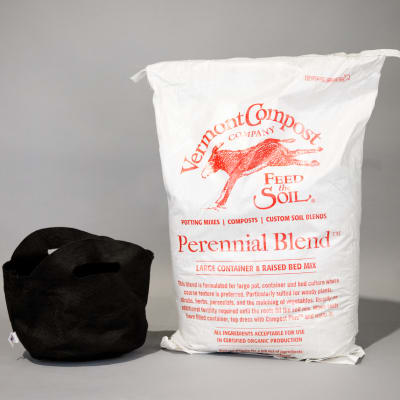
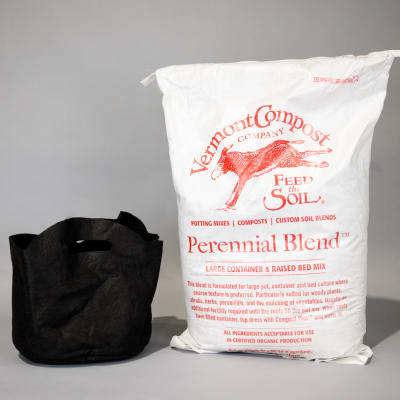
These 5-gallon non-woven fabric pots have built-in handles, and provide great airflow and drainage. Fantastic for indoor growing, and can also be used outdoors.
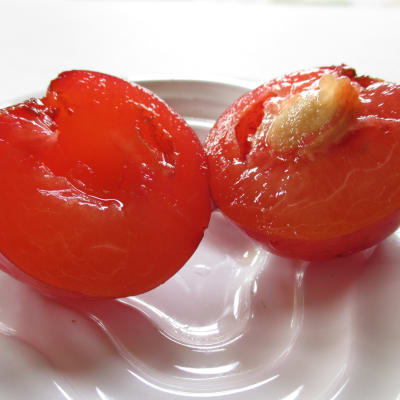
Prunus spp. Midsummer, red-orange skin, dark pinkish red flesh. Delicious medium-sized fruit with soft sweet pinkish flesh. Glossy ornamental red foliage all summer long. May be self-pollinating. Z4.
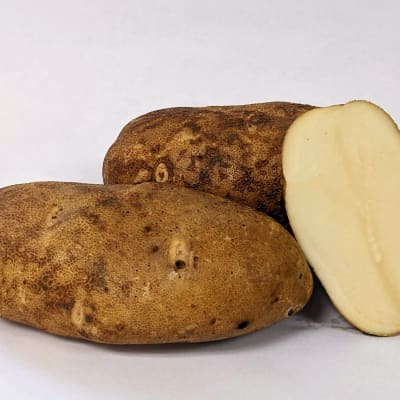
Solanum tuberosum Mid-season, russeted brown skin, white flesh. Bred for cool climates. Vigorous plants produce good yields of large oblong russet potatoes. Using organic practices, we've grown really big Caribou.
Solanum tuberosum Mid-season, russeted brown skin, white flesh. Bred for cool climates. Vigorous plants produce good yields of large oblong russet potatoes. Using organic practices, we've grown really big Caribou.
Solanum tuberosum Late season, buff skin, white flesh. We climbed every mountain, searched high and low, until we found certified seed stock for this beloved Vermont heirloom. A potato lover's potato.
Ditch the bottled nutrients with this water-only mix that's supercharged for maximum yield in flowering plants! Recommended for all fruiting and flowering plants, cannabis, and heavy-feeding crops.
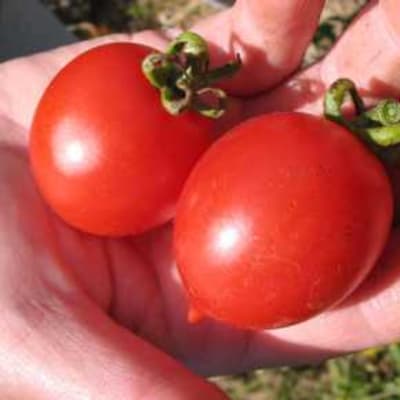
Solanum lycopersicum Red skin. (75 days) Open pollinated. Red Italian heirloom cherry used for dried tomatoes. Rich, meaty, few seeds. Bears prolific clusters over a long season. No cracking.
Solanum lycopersicum Yellow skin. (88 days) Open pollinated. Late yellow slicing tomato with amazing rich taste, sweet and citrusy. Prone to catfacing under stressful weather conditions.
Cucurbita maxima Greenish white skin. (95 days) Open pollinated. Classic Northwest heirloom. Slightly flattened round 12-15 lb fruit with slate-grey skin.
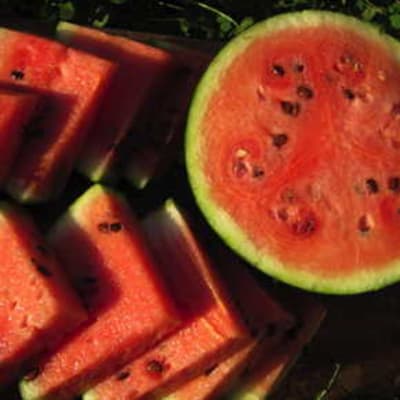
Citrullus lanatus Orange-red flesh. (71 days) Open pollinated. Modern classic. Crunchy orange-red flesh. Dark green to nearly black round 4-15 lb fruit. Extra early and hardy.
NPK: 2.5-6-3. Show your flowers you appreciate them by treating them to dinner now and then. This mix is formulated to feed both soil and plant to encourage healthy foliage and lush, colorful blooms.
Humic acids perform many complex functions. They neutralize soil pH, prevent leaching of trace minerals, stimulate growth of foliage and roots significantly, and much, much, more!
For soil: excellent source of naturally chelated elements, enzymes, and amino acids. For livestock: excellent source of iodine, vitamin A and dozens of other vitamins and trace minerals.
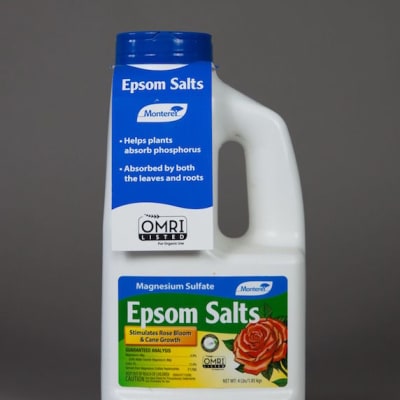
Magnesium is a building block of chlorophyll and therefore essential to efficient photosynthesis. May boost yields significantly, especially for roses and tomatoes.
Zeolites can improve the productivity of any texture of soil, improving water and mineral retention in sandy soils and improving aeration and minimizing compaction in heavier soils.
From oyster shells, not pulverized rock. Aragonite is even lower than calcitic lime in magnesium, so it's the ideal choice for soils with excessive magnesium.
Agricultural Sulfur. Use to make soil pH more acidic. Often helpful for both lowbush and highbush blueberries, and for potatoes. Lowering the pH of gravel paths will help control weed growth.
Silicon is linked to improved yields, especially recommended for cannabis, orchard crops, cucurbits, sweet corn, grains and forage crops. Also helps build resistance to powdery mildew.
NPK: 4.6-0.9-1.3 avg. A favorite of earthworms and other beneficial soil organisms, and inhibits the growth of some notorious pathogenic soil microbes. Beloved by hemp and cannabis growers.
NPK: 6-1-3 avg. Rich in the basic nutrients, nitrogen, phosphorus and potassium, it makes an excellent fertilizer and soil additive. Can help suppress fusarium infestations.