Brassica oleracea (gemmifera group) (105 days) F-1 hybrid. Tall-stalked Divino’s plentiful very tight half-dollar-sized sprouts are dark green. Open branch architecture makes for low presence of aphids.
Brassica oleracea (gemmifera group) (105 days) F-1 hybrid. Tall-stalked Divino’s plentiful very tight half-dollar-sized sprouts are dark green. Open branch architecture makes for low presence of aphids.
Melothria scabra (65 days) Open pollinated. Vigorous but delicate climbing vine. Profuse bearing of 1" oblong green and white fruits. Eat fresh or pickled.
Gaillardia pulchella Open pollinated. Daisy-type flowers in reds, yellow, rust and orange with a prominent colored center. Free flowering, low maintenance and easy to grow. Attracts butterflies. Good cutflower.
Allium cepa Yellow skin. (110 days) F-1 hybrid. Uniform blocky globes, 2 lbs each, with tall tops. Best for storage; keeps until mid-May. Flavor a balance of sweet and tang. Long-day northern type.
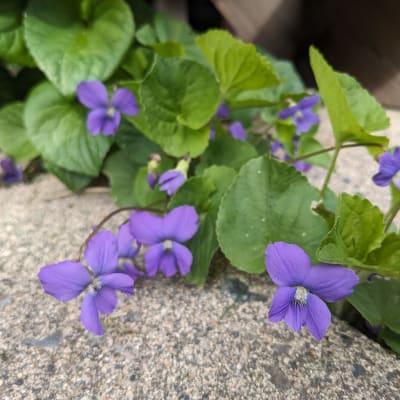
Viola sororia 6-10" tall. North American native with cheery blue-purple flowers and attractive heart-shaped leaves, all edible. Larval host plant for multiple species of butterflies. Z3.
Prunus tomentosa 6-10' x same. Broad dense highly ornamental fruiting shrub blooms early. Excellent hedge and edible landscape plant. Plant two or more for pollination. Z2.
Pyrus pyrifolia Late summer, russeted gold skin, white flesh. Large long-stemmed fruit fruit with medium-thick skin. Crisp juicy fresh eating. Stores one month. Z4/5.
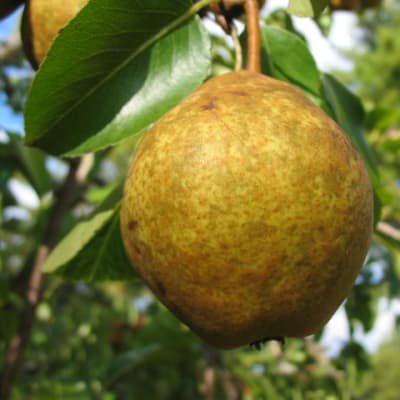
Pyrus communis Fall, russeted dark yellow skin, white flesh. Distinctive sweet rich spicy buttery flavor. Melting juicy tender white flesh. Bears huge crops annually. Good pollinator for other varieties. Z4.
Pyrus communisThis is a twig for grafting. Fall, russeted dark yellow skin, white flesh. Distinctive sweet rich spicy buttery flavor. Melting juicy tender white flesh. Bears huge crops annually. Good pollinator for other varieties. Z4.
Pyrus communis Early fall, yellowish skin, off-white flesh. Soft fine flesh is sweet and flavorful with almost no grit cells. Produces annual crops of delicious medium-sized fruit. Bears heavily. Z3.
Capsicum annuum Red skin. (88 days) Open pollinated. This rare Pennsylvania Dutch heirloom packs considerable heat. Rarely eaten raw, the peppers were traditionally used for pickling and pepper vinegar.
Helps induce systemic resistance to a broad range of fungal diseases in most edible crops. Preferable to copper fungicide on cannabis, and worth a try to prevent late blight in your potatoes!
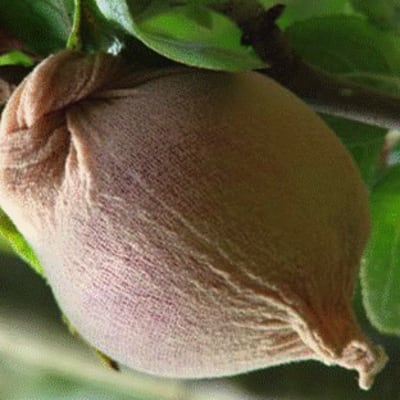
Stretchable nylon sleeves prevent damage to tree fruits from apple maggots, codling moths and plum curculio. Heavy weave and reinforced seam. Reusable and made in the USA.
Neem has long been recognized for its antifungal, antibacterial and antiparasitic properties. Promotes the health and vitality of trees and plants. Deters a wide range of insect pests.
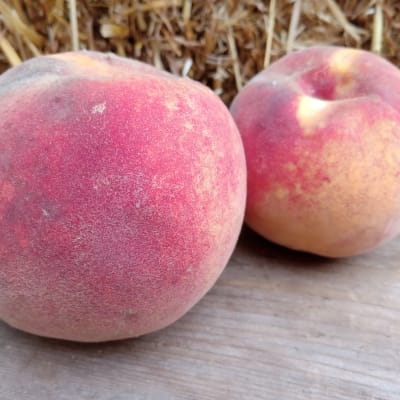
Prunus spp. Late summer, rosy purplish red skin, yellow flesh. Sweet, meaty and flavorful. Somewhat freestone. Extremely vigorous tree. A great pollinator fro other hybrids. Z3.
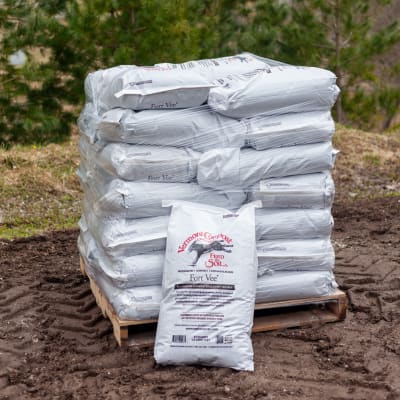
Ditch the bottled nutrients with this water-only mix that's supercharged for maximum yield in flowering plants! Recommended for all fruiting and flowering plants, cannabis, and heavy-feeding crops.
Buckle up: G-Force will open the throttle and help your plants accelerate to new heights. This is a complete growing mix engineered for rapid... read more
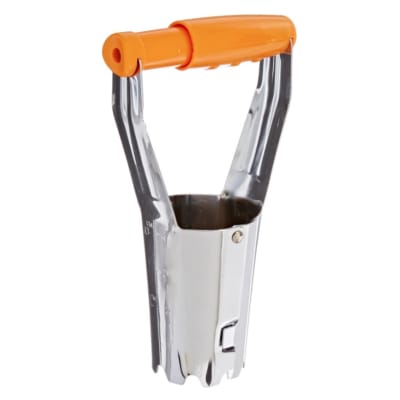
Efficient and ergonomic tool for preparing a planting hole and covering it up again. Plunge the rust-resistant steel cylinder into the soil to the... read more
Cucurbita moschata Pale tan skin. (104 days) F-1 hybrid. Full running vines yield a ton of uniform tan 2-3 lb fruits. Smooth semi-dry texture and medium nutty sweetness hold in storage. Disease resistant.
Zinnia haageana Open pollinated. Small Mexican-style haageana zinnias in a mix of pink, orange, carmine and burgundy-red blooms tipped yellow to carmine.
Solanum tuberosum Mid-season, russeted brown skin, white flesh. Good flavor and reliably high yields. Russets can be fussy in our humid climate, but Gold Rush performs even in wet years or poor soils. Perfect for baking and fries.