Showing 35
of 35 items
Fedco Trees: Shade Trees
-
ships in springButternut SeedlingBare-Root TreesCheck for new listings in early August
-
ships in springAmerican Chestnut SeedlingBare-Root TreesCheck for new listings in early August
-
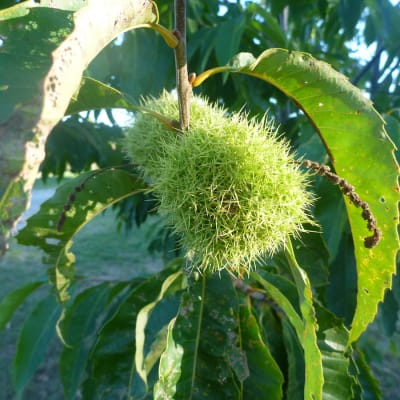
ships in springChinese Chestnut SeedlingBare-Root TreesCheck for new listings in early August
-
ships in springHybrid Chestnut SeedlingBare-Root TreesCheck for new listings in early August
-
ships in springnew!Japanese Chestnut SeedlingBare-Root TreesCheck for new listings in early August
-
ships in springAmerican Chinquapin SeedlingBare-Root TreesCheck for new listings in early August
-
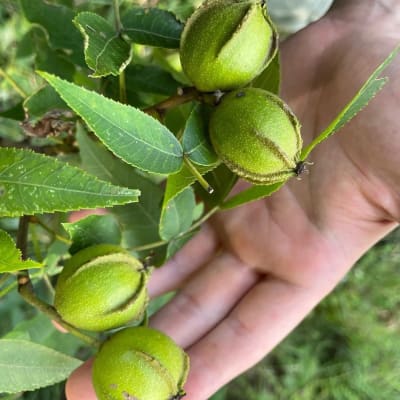
ships in springnew!Hybrid Hickory SeedlingBare-Root TreesCheck for new listings in early August
-
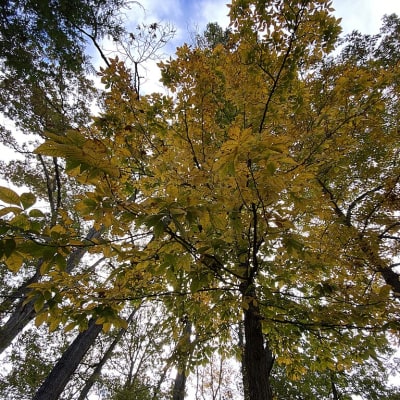
ships in springShagbark Hickory SeedlingBare-Root PlantsCheck for new listings in early August
-
ships in springShellbark Hickory SeedlingBare-Root PlantsCheck for new listings in early August
-
ships in springnew!Yellowbud Hickory SeedlingBare-Root TreesCheck for new listings in early August
-
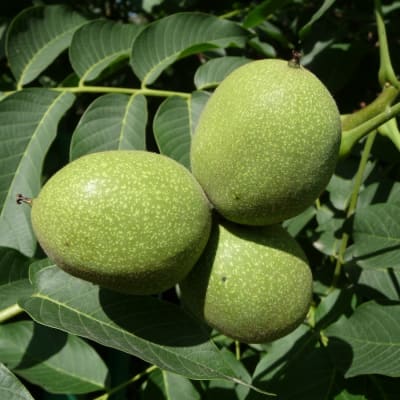
ships in springBlack Walnut SeedlingBare-Root TreesCheck for new listings in early August
-
ships in springCarpathian Walnut SeedlingBare-Root TreesCheck for new listings in early August
-
ships in springHeartnut Seedling WalnutBare-Root TreesCheck for new listings in early August
-
ships in spring‘Prairie Expedition’ American ElmBare-Root TreesCheck for new listings in early August
-
ships in spring‘Valley Forge’ American ElmBare-Root TreesCheck for new listings in early August
-
ships in spring‘Princeton’ American ElmBare-Root TreesCheck for new listings in early August
-
ships in springPaper BirchBare-Root TreesCheck for new listings in early August
-
ships in springRiver BirchBare-Root TreesCheck for new listings in early August
-
ships in springNorthern CatalpaBare-Root TreesCheck for new listings in early August
-
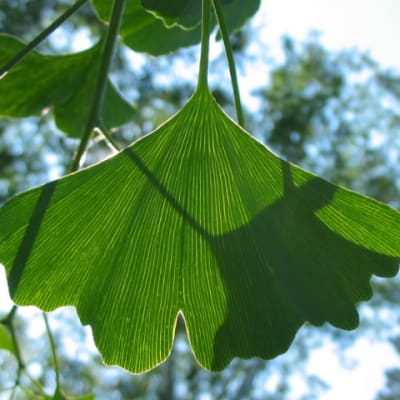
ships in springGinkgoBare-Root TreesCheck for new listings in early August
-
ships in springHoneylocustBare-Root TreesCheck for new listings in early August
-
ships in springEastern HophornbeamBare-Root TreesCheck for new listings in early August
-
ships in springAmerican LindenBare-Root TreesCheck for new listings in early August
-
ships in springSugar MapleBare-Root TreesCheck for new listings in early August
-
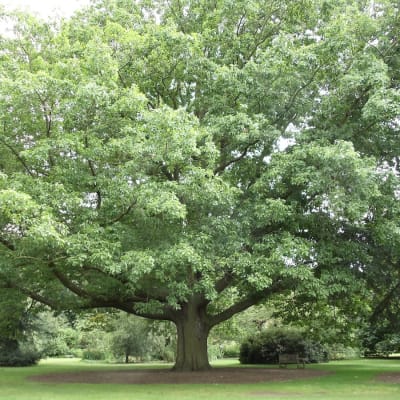
ships in springBur OakBare-Root TreesCheck for new listings in early August
-
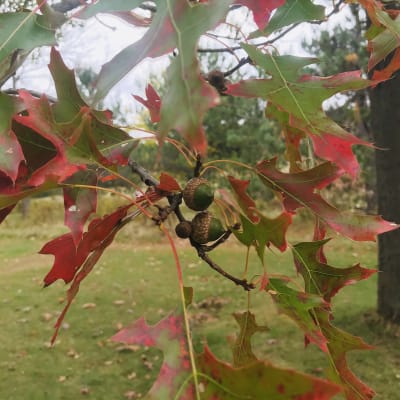
ships in springNorthern Red OakBare-Root TreesCheck for new listings in early August
-
ships in springScarlet OakBare-Root TreesCheck for new listings in early August
-
ships in springSwamp White OakBare-Root TreesCheck for new listings in early August
-
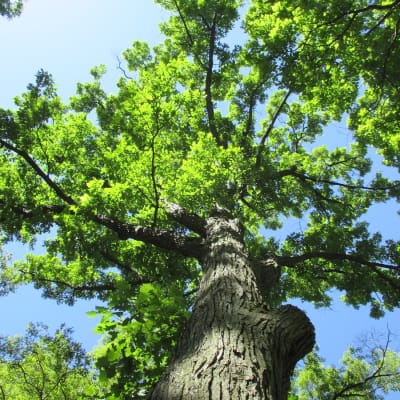
ships in springWhite OakBare-Root TreesCheck for new listings in early August
-
ships in springOsage OrangeBare-Root TreesCheck for new listings in early August
-
ships in springSweetgumBare-Root TreesCheck for new listings in early August
-
ships in springAmerican SycamoreBare-Root TreesCheck for new listings in early August
-
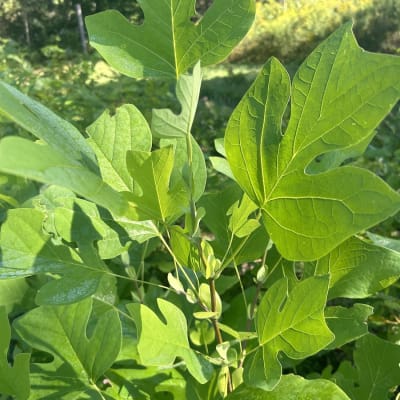
ships in springTuliptreeBare-Root TreesCheck for new listings in early August
-
ships in springTupeloBare-Root TreesCheck for new listings in early August
-
ships in springGolden Weeping WillowBare-Root TreesCheck for new listings in early August